Artistic Research
My interdisciplinary practice is influenced by my lived experience as a second generation Chinese-Vietnamese raised in Canada by refugee parents. Language barrier drives my thirst to dismantle the traditional walls between artistic disciplines to reimagine the text centric form of “theatre”. By prioritizing experimentation in the liminal spaces between established disciplines can we foster an entirely new hybrid medium that prioritizes access for diasporic communities? An anti-disciplinary medium that speaks to the vital narrative of this global moment?
At the forefront of my current artistic investigations:
[1] Experimenting with cross-disciplinary synthesis as active ingredients in live storytelling to dissect intercultural lived experiences
[2] How may interdisciplinary artists reinvent the dramaturgical form of theatre beyond the predominant colonial framework? Collectively cultivating a dramaturgical language to translate interdisciplinary forms to the written page; with publication in mind?
[3] Re-envisioning traditional cultural performance forms for a modern contemporary audience with digital performance technologies
[4] Genre-blending as a dramaturgical tool
[5] What happens when one artistic discipline becomes the dramaturgy of another?
Probability 2018
Playwright - Director - Artistic Producer: Tricia Trinh
Presented by Upintheair Theatre: rEvolver festival | Performance Run: May 24th - 27th at The Cultch: Historic Theatre.


Probability toys with the theme of the Ripple Effect in life with its non-linear plot line. A world premiere production about the space in between certainty, the odds and impossibility of any romantic encounter. Two women meet “after midnight on a quiet Tuesday night” and play out the five probable paths in which their relationship could venture down. In the end, do they ever meet? Should they ever meet? “If you knew how the relationship ended, would you still start it?
Archival Productions
| Producer: Dusty Foot Productions
The new interdisciplinary play tackles the looming mortality in the holy grail of questions: What if?
By offering to invite the audience to experience a visible reality of the shifting probability of outcomes in love. The outcomes driven by chance, habitual choices and the seemingly minute and mundane choices made from one second to the next.
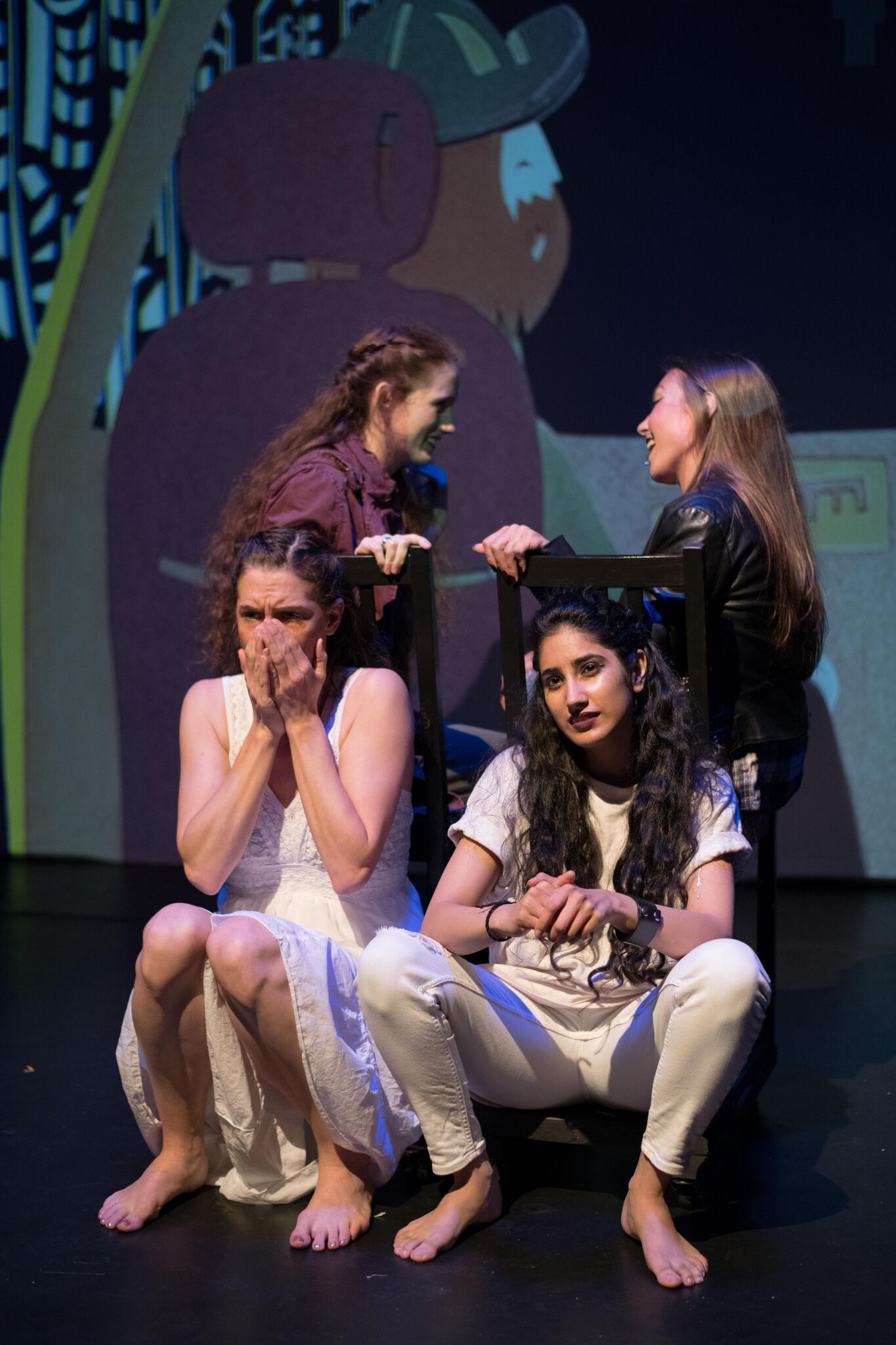
Probability toys with dramaturgical form by casting four actors to perform two characters to explore
the division of the external Ego Self and the internal Higher Self. The experimentation of personifying the ego self into physical form
aims to place subtext at the forefront. This dramaturgical tool asks what happens when
the audience is given a window into the intimate workings of the characters' minds blatantly juxtaposing their actions on stage?
Red Glimmer 2019
Playwright - Director - Artistic Producer: Tricia Trinh
Presented by Vancouver Fringe Festival | Performance Run: September 5th - 15th at What Lab
| Producer: Dusty Foot Productions


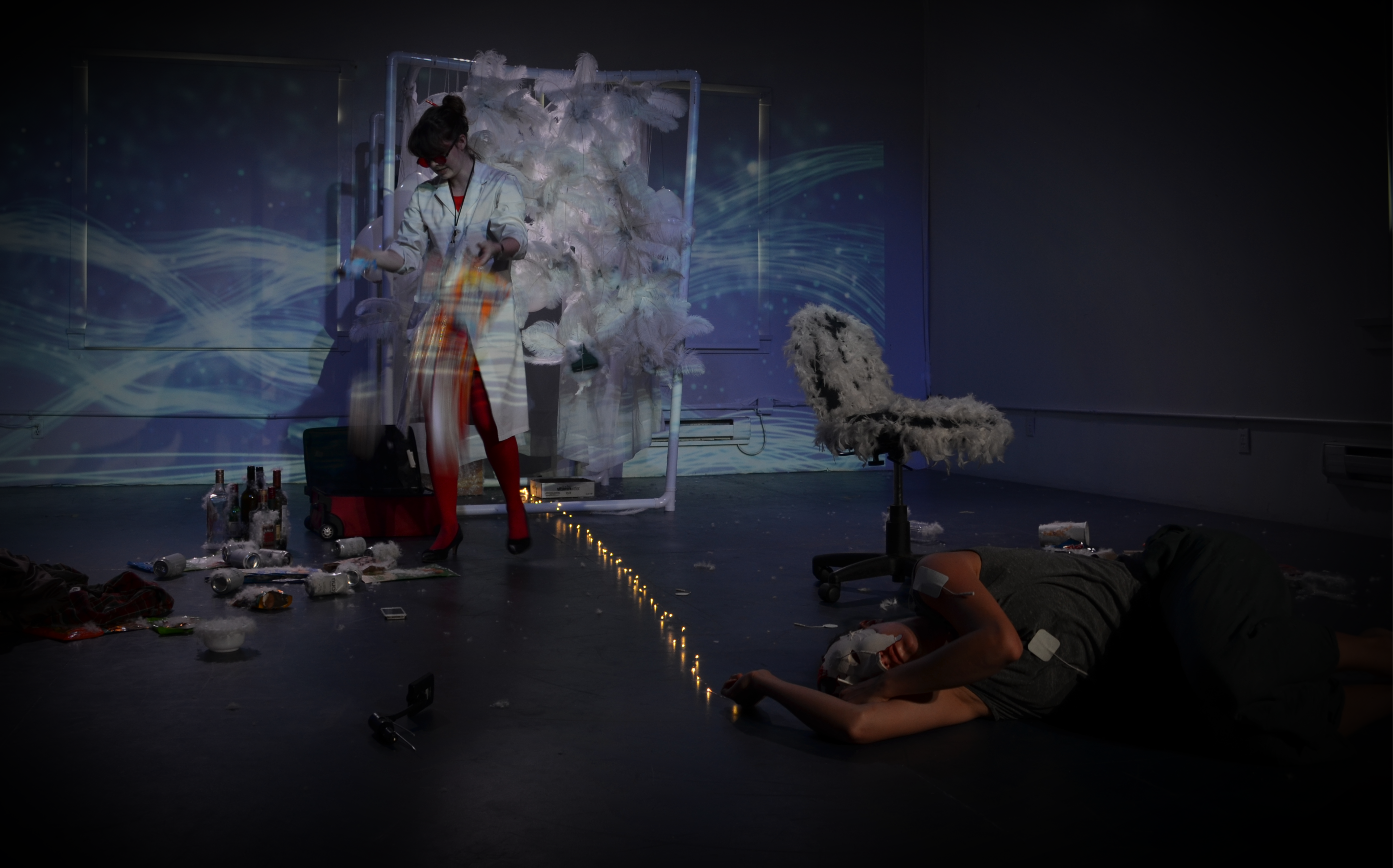
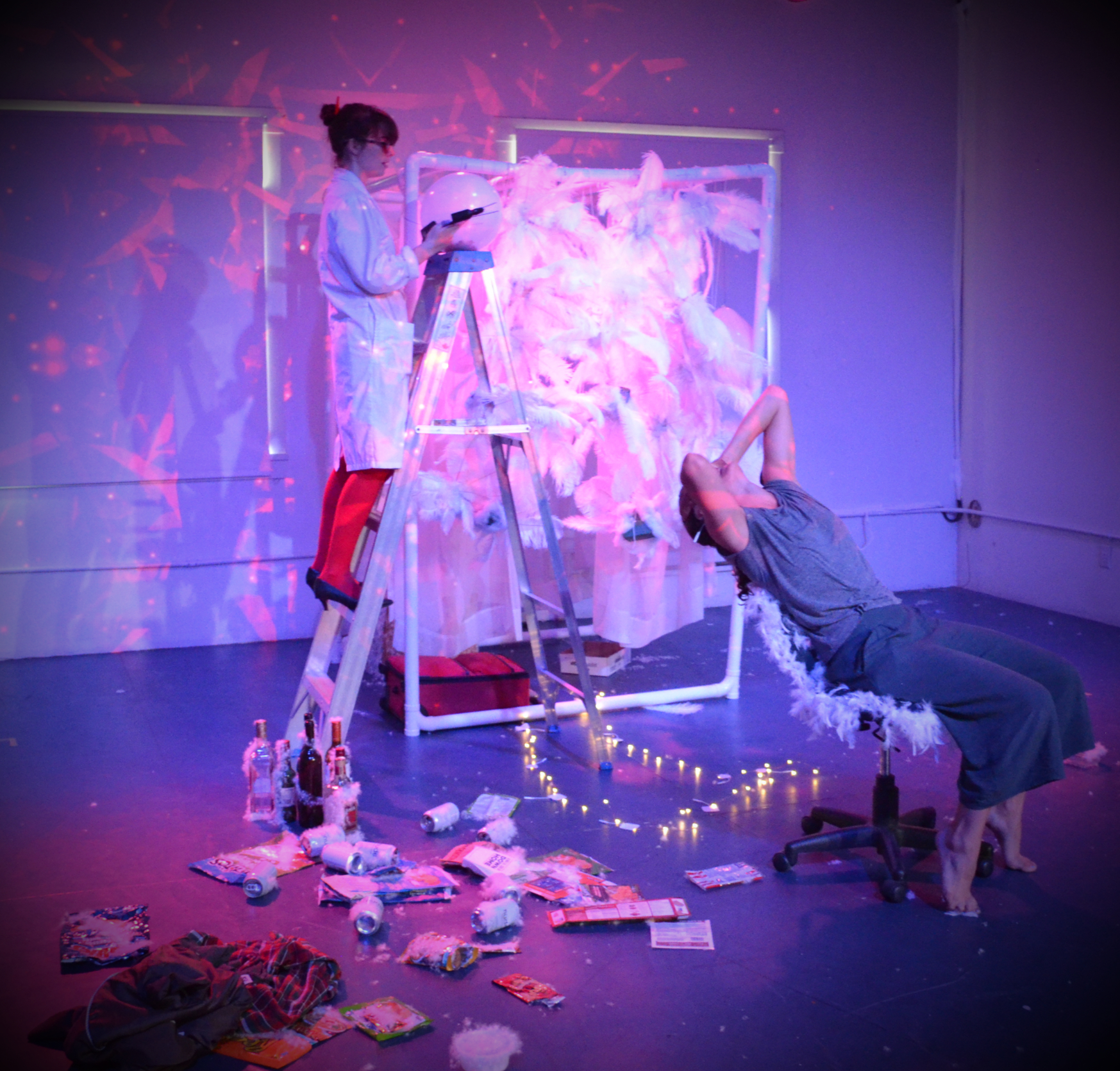
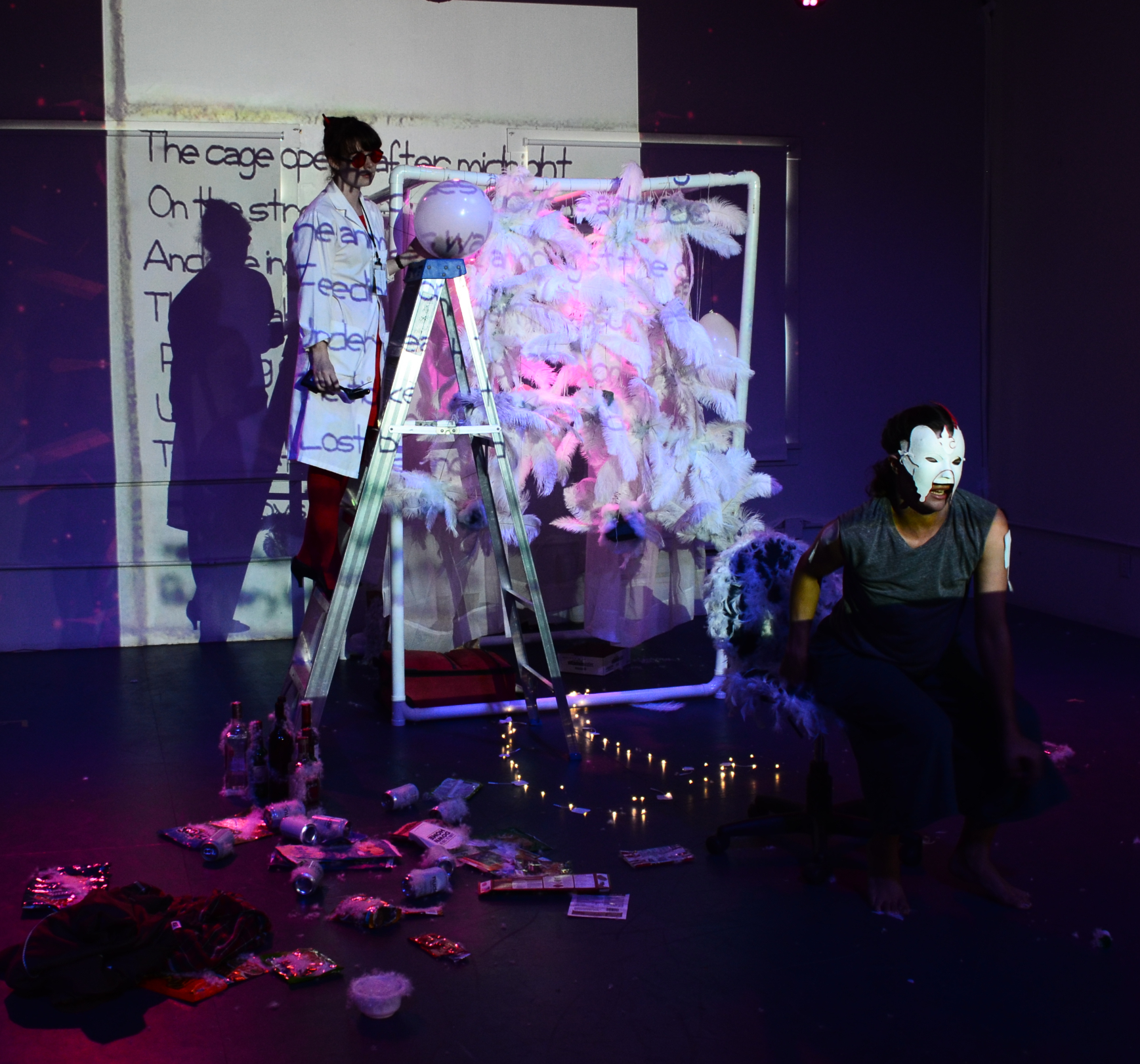
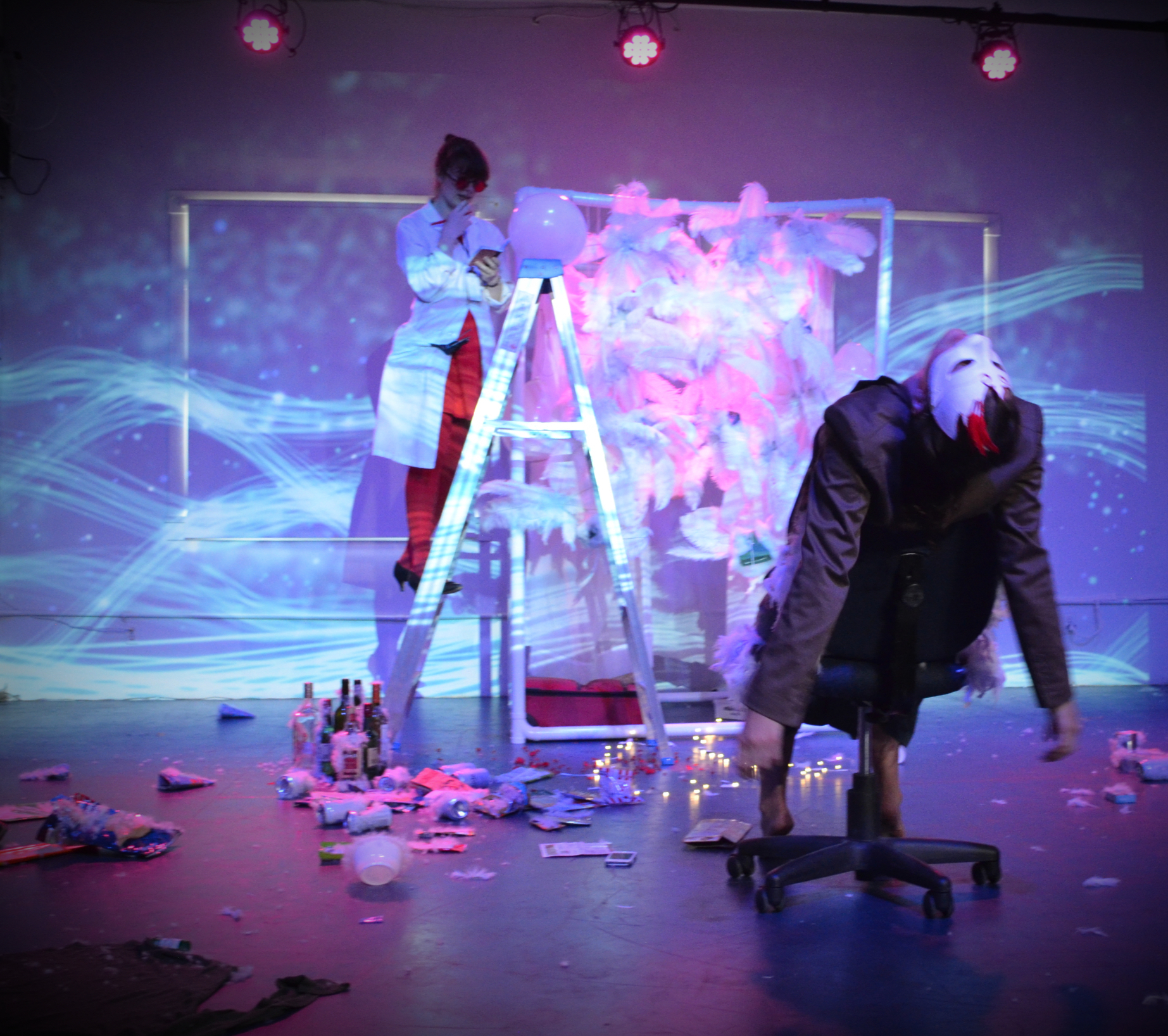
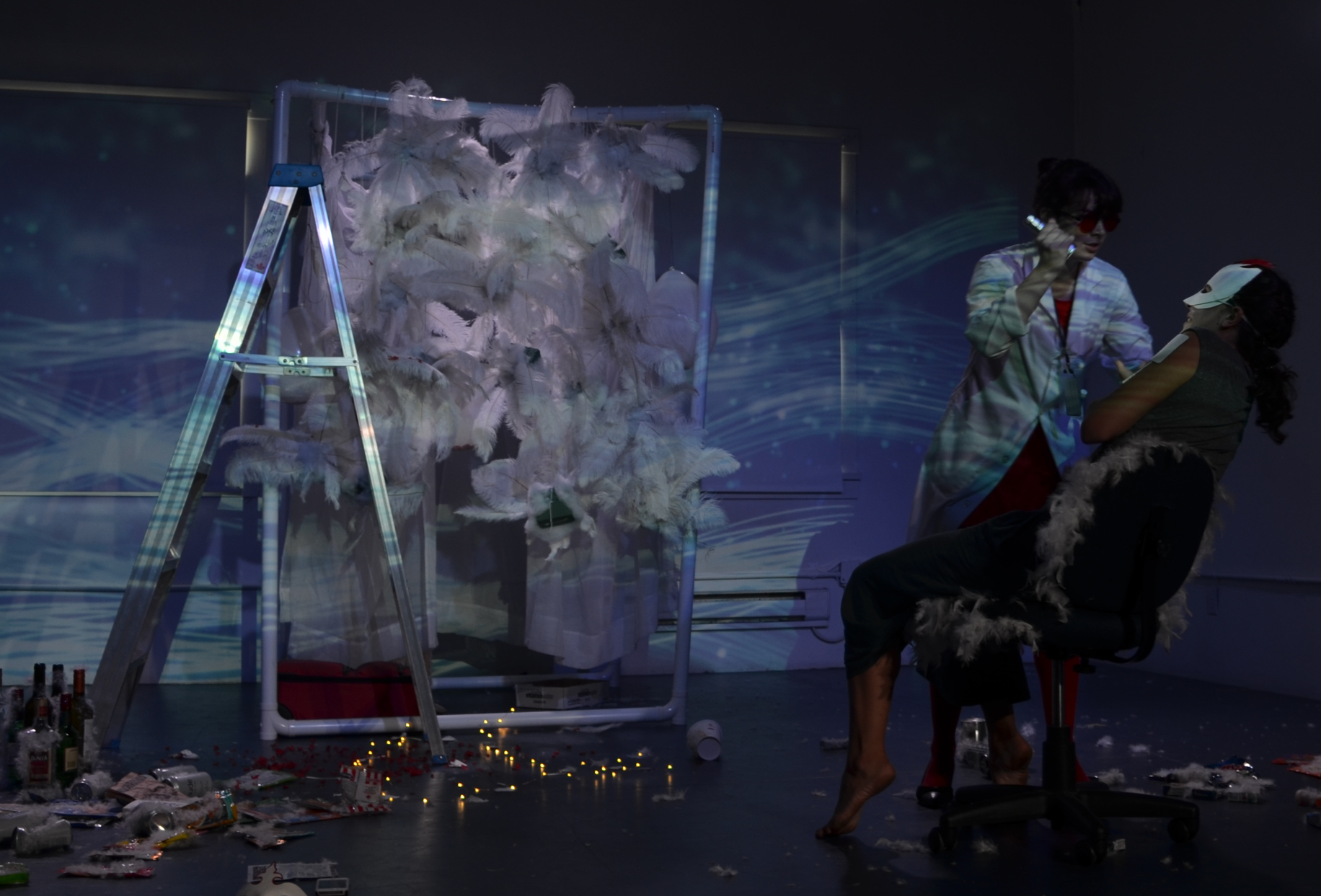
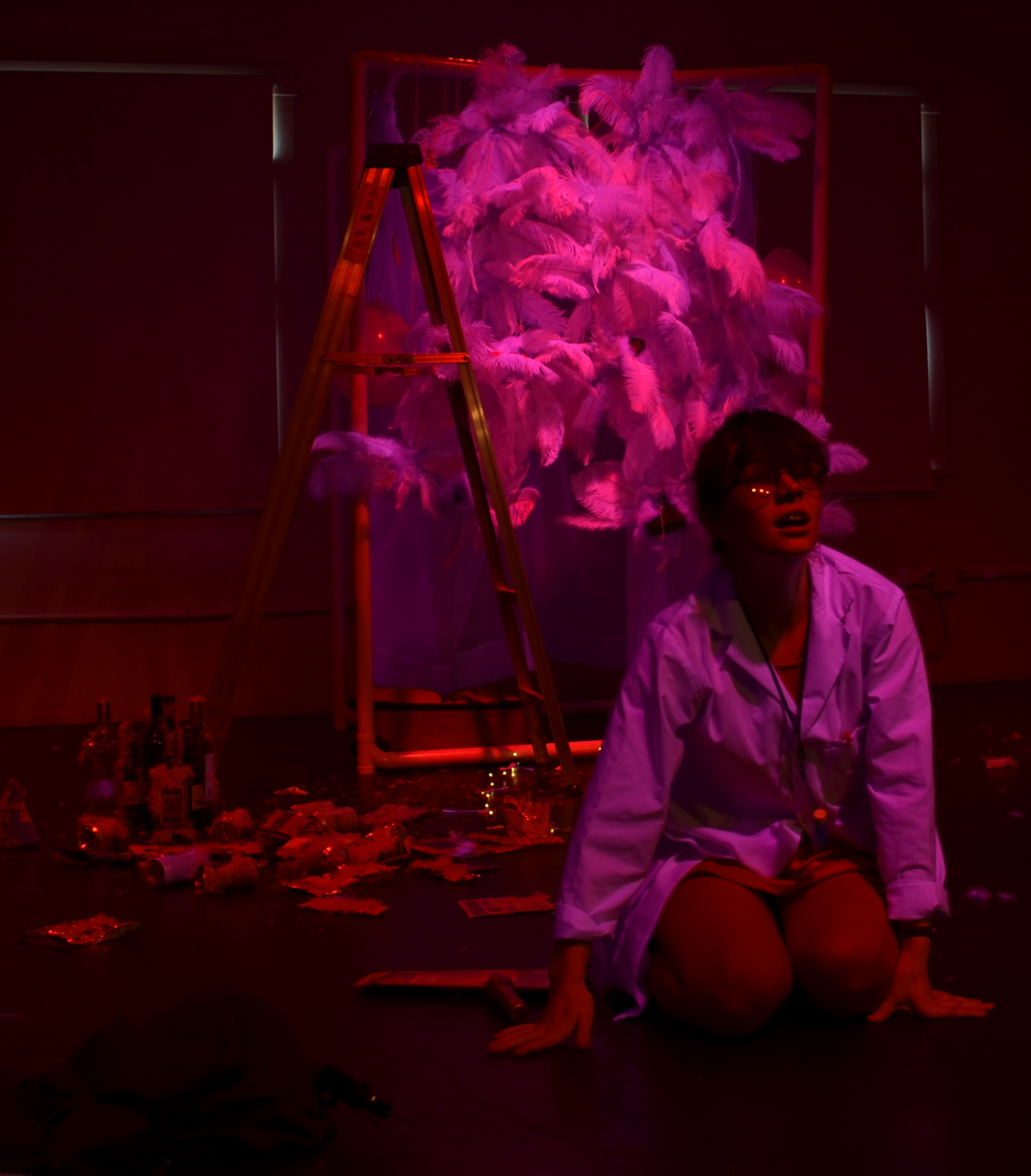
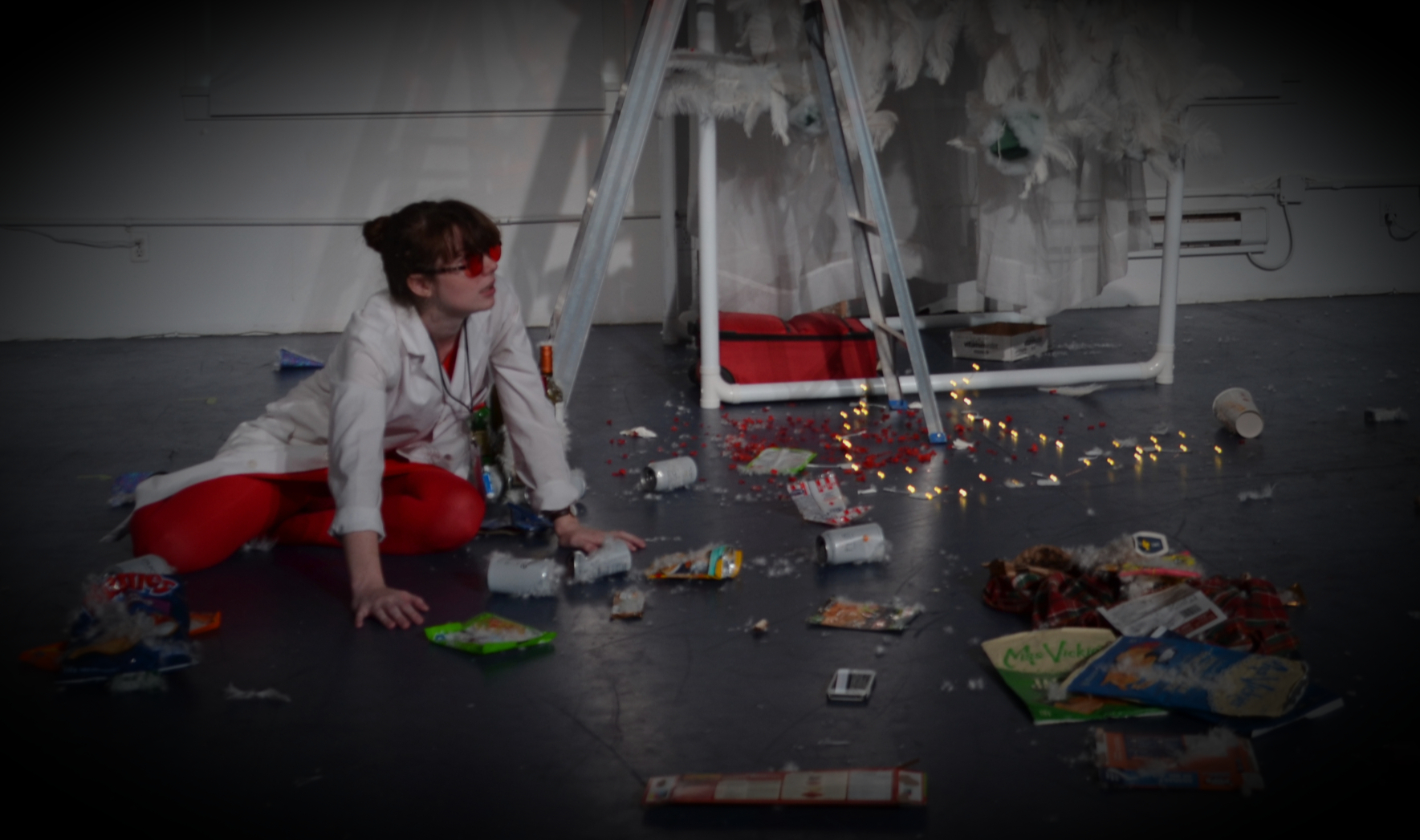
A clinical trial to fast track the healing process,
later revealed to be an interdimensional science experiment.
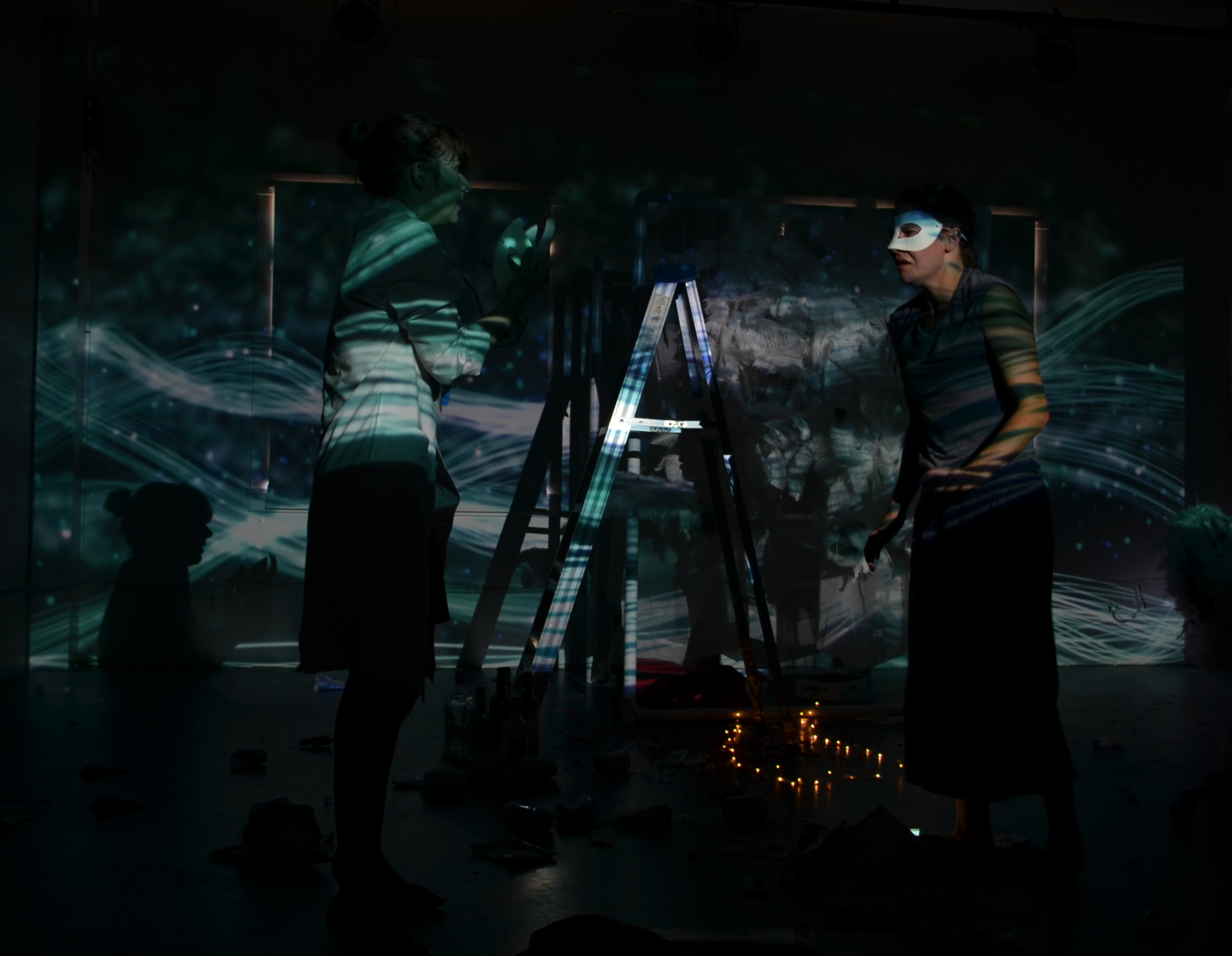
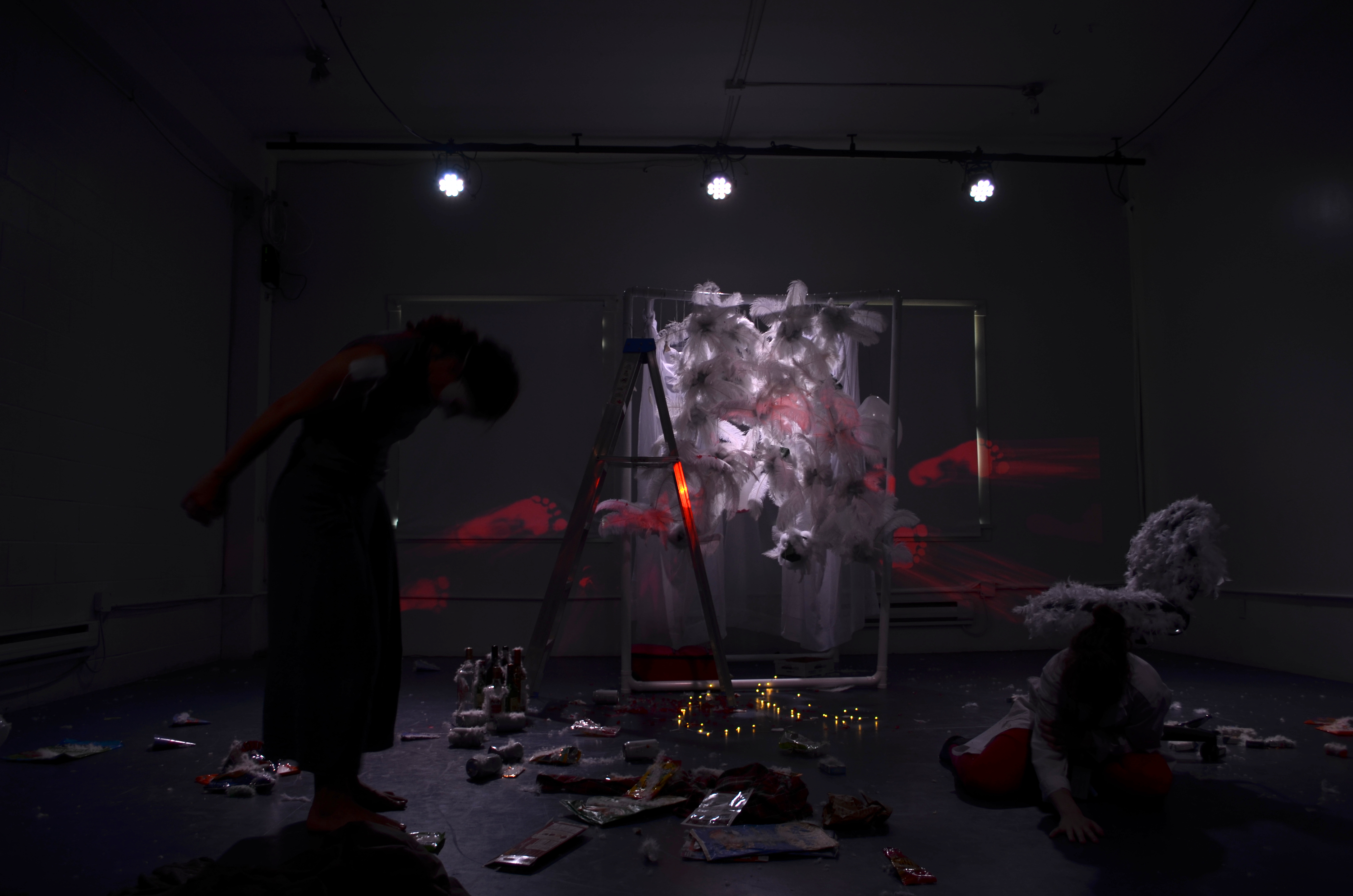
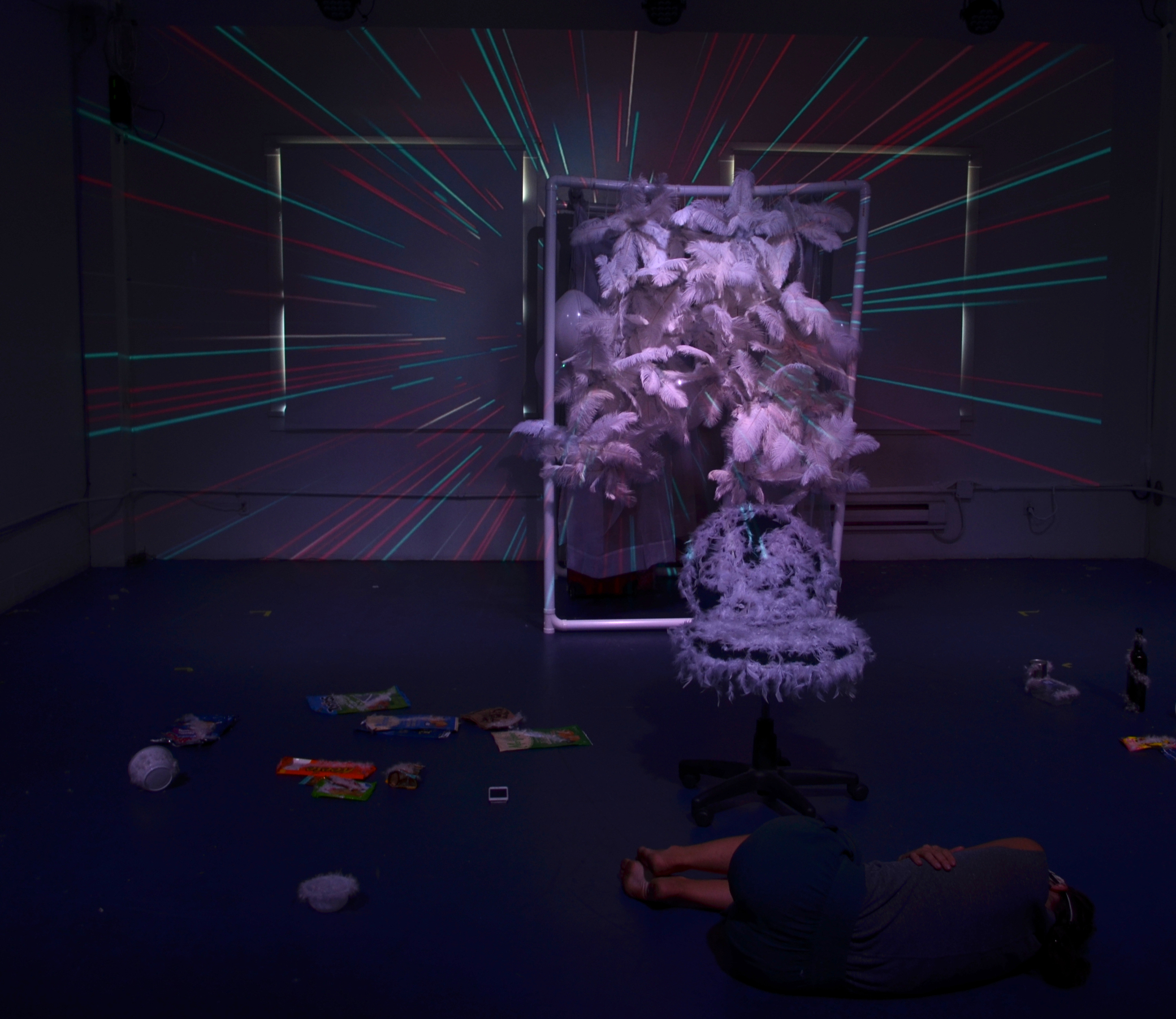
Set inside the internal void of a depressive mind. A Woman involuntarily takes an internal trip after falling into a deep dark depression.
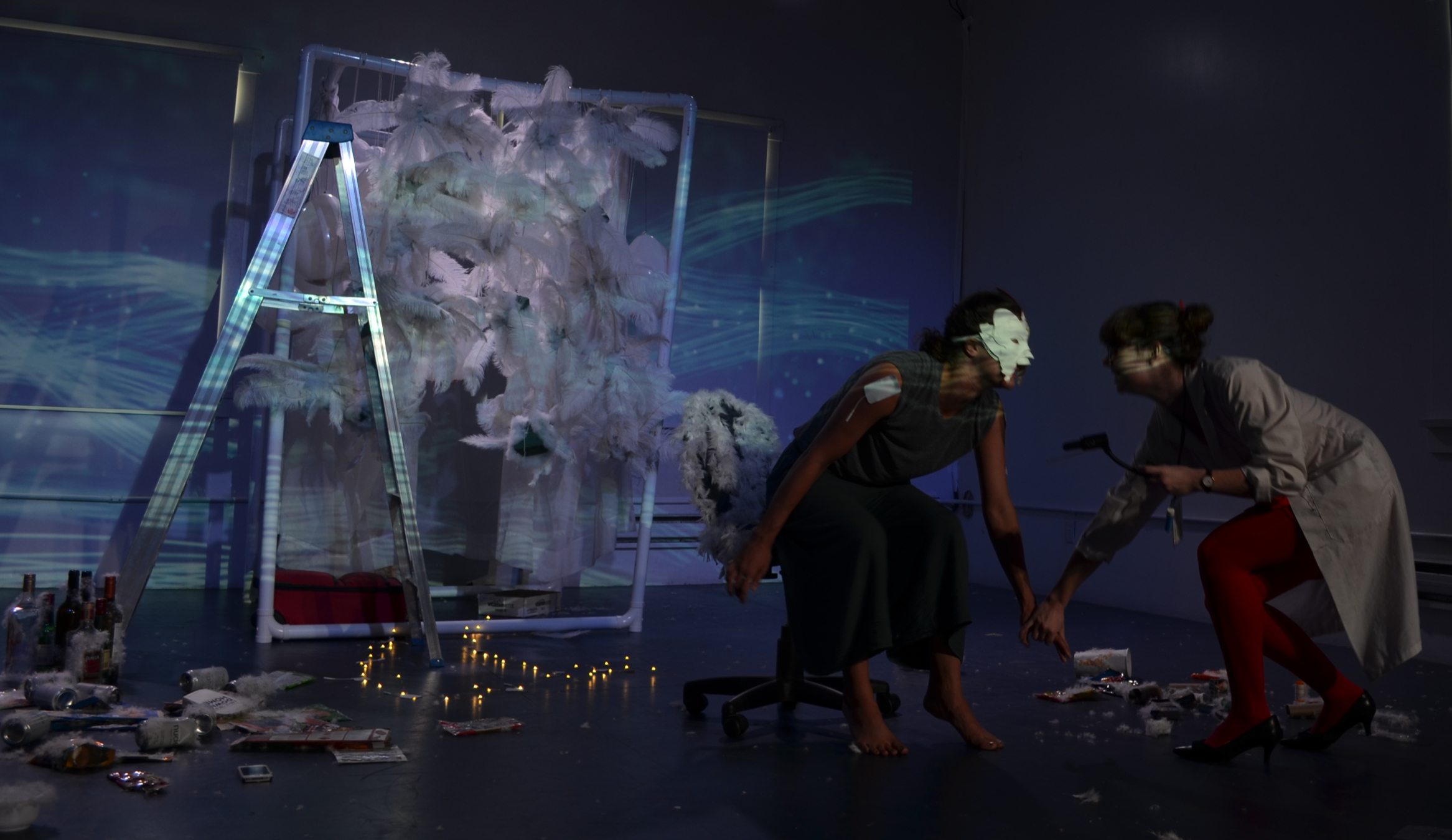
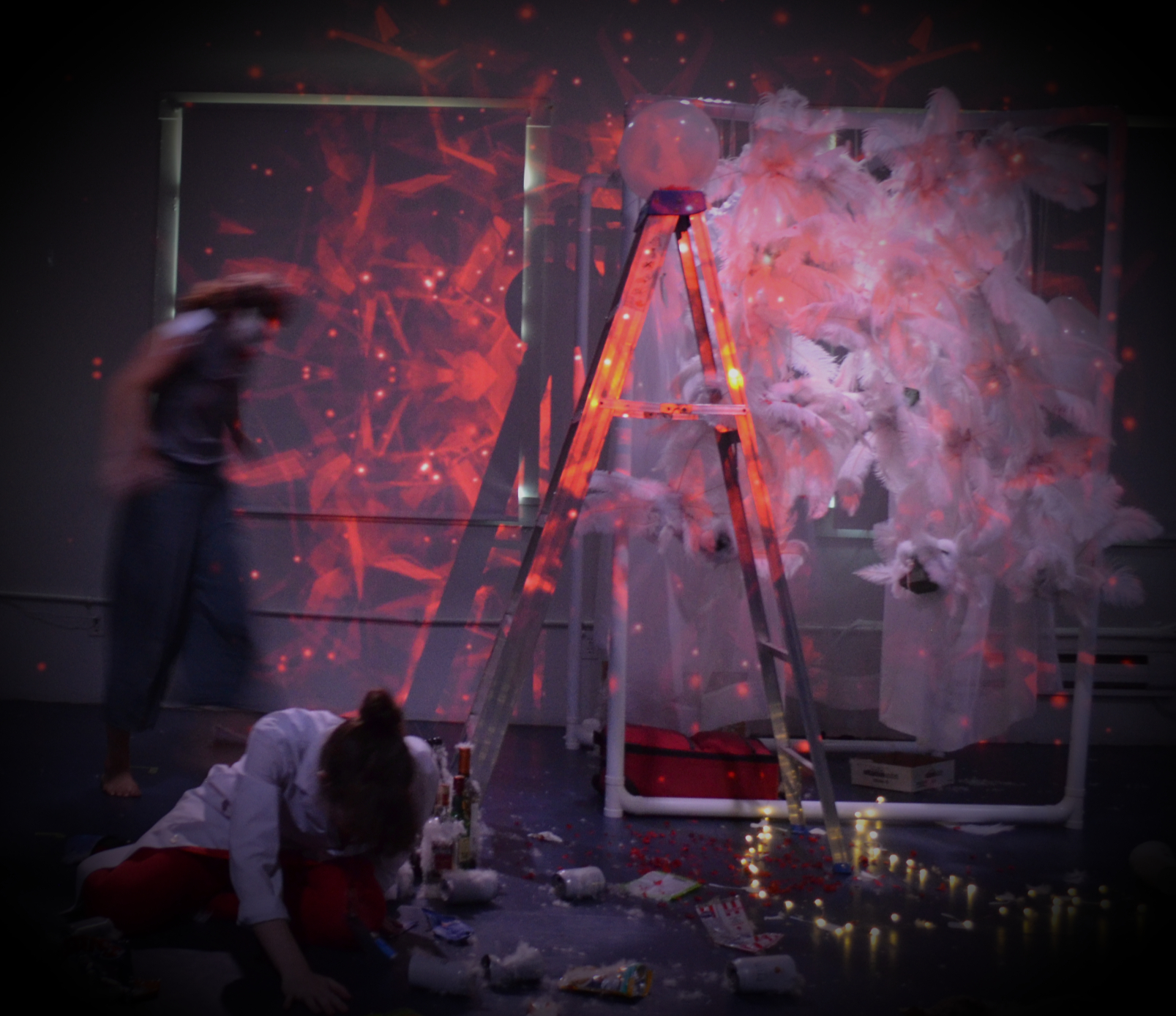
A Scientist is hired to navigate her neurological pathways, performing an experimental procedure, "The Emotional Facelift," to eradicate The Woman’s ability to re-experience emotional pain. Will the Woman be strong enough to stay in the sting? A Creepy Little Girl is heard running by! What happens next?
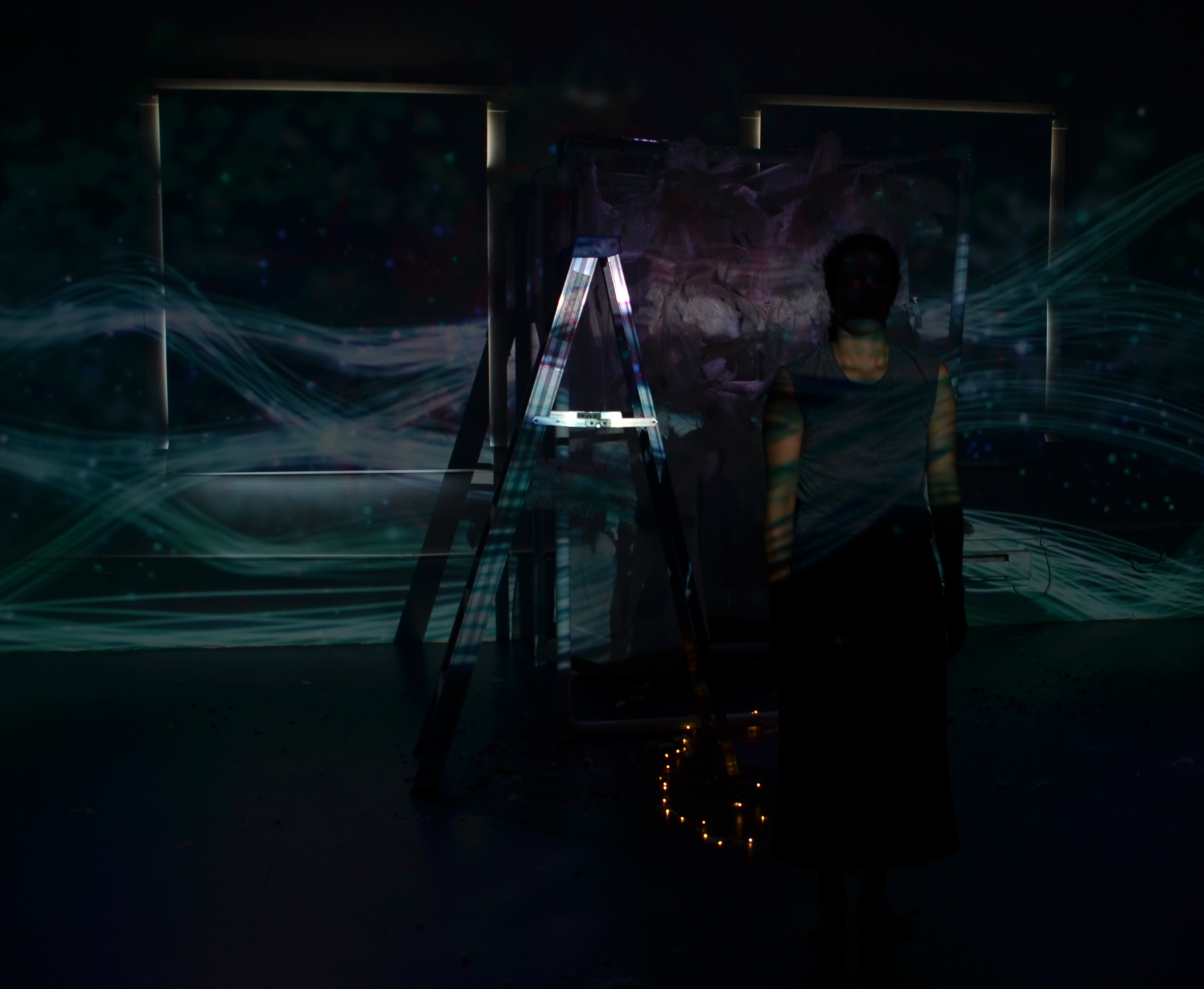
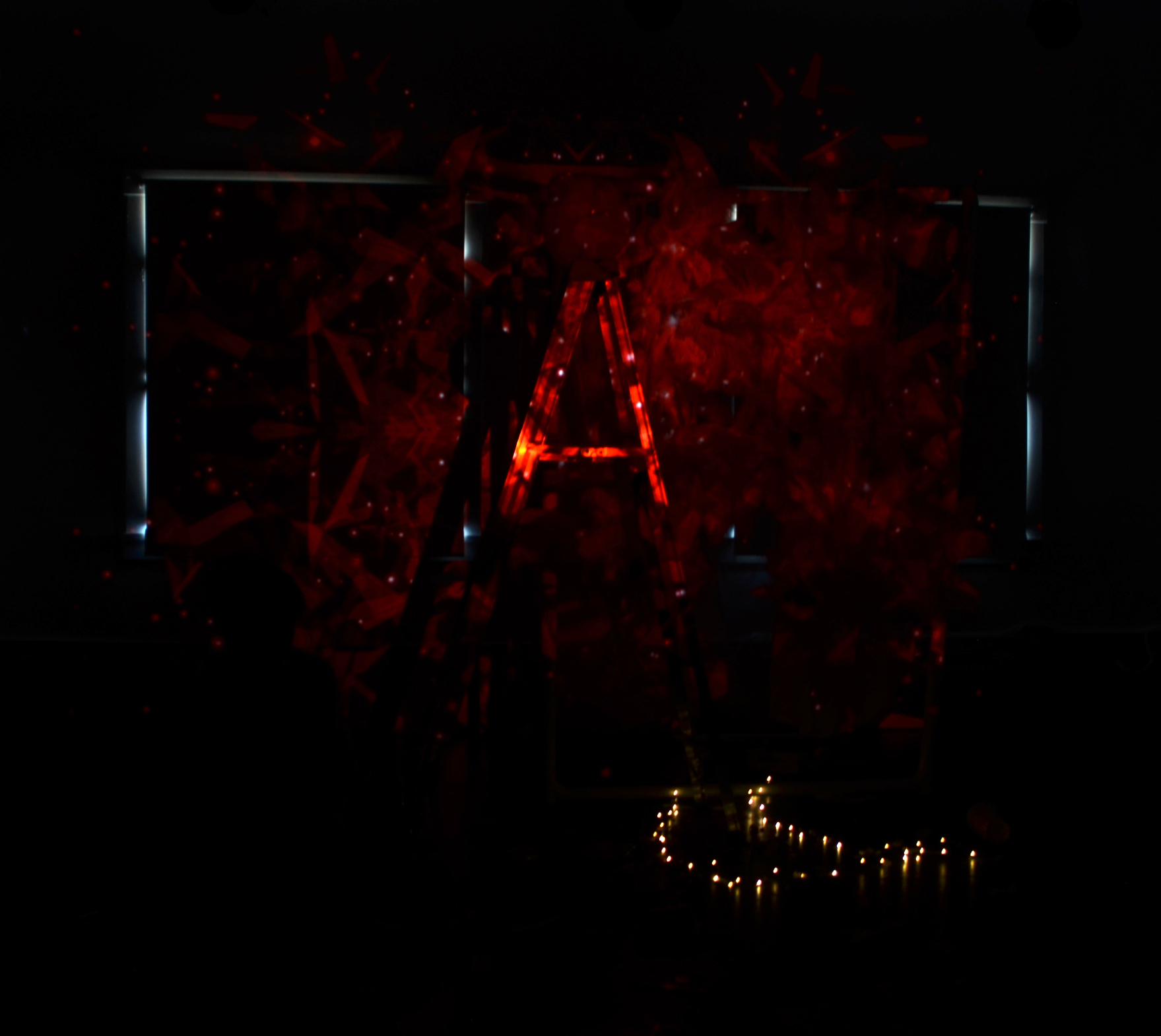
Red Glimmer tackles mental health through an interdisciplinary dramatic structure – weaving visceral narrative soundscapes, collage-based text, physical storytelling and interactive digital projections. Genre-blending science fiction, thriller, surrealist physical storytelling with dark comedy.
This new work follows a three part dramaturgical structure of resurrection and transformation. "The Emotional Facelift" requires The Woman to pinpoint the exact defining moments of pain in her life, in which her demons developed; and insist on dissecting what they’ve been feeding on.
The play investigates the notion that humans cannot
re-experience pain. After physical trauma, there is an intellectual awareness that the pain was intense and certain circumstances will trigger emotional distress to the pain felt, but the human mind cannot physically re-experience somatosensory sensation, like pain.
Red Glimmer poses the question: What if that was the case for traumatic mental pain? If mental pain was treated the same way physical pain was, if we could cut out the emotional tumour that is fed by our trauma, if we learnt our lesson the first time, would we stop putting our mouth to that same flame over and over again?
Attachments 2019 - 2024
Playwright - Director - Artistic Producer: Tricia Trinh
Development History:
frank theatre co.
● 2019 - 2020 || Awarded the British Columbia Arts Council "Early Career Grant". Self-Guided Dramaturgical Development
Rumble Theatre
● 2020 || Tremors Festival: Excerpt selected for Workshop Presentation [Covid-19 Filmed Iteration]
● Awarded the Canada Council for The Arts "Research & Creation Grant"
Boca Del Lupo
● 2022 || SLaM Residency Program: Latest draft selected for Self-Guided Dramaturgical Development
Ruby Slippers Theatre
● 2023 || Artist in Residence: 1 Week Development Workshop. Culminated in a Closed Invited Reading at Carousel Theatre
Ruby Slippers Theatre
● 2024 || Advance Theatre Festival: 3 Day Development Workshop. Culminated in a Public Stage Reading at Shadbolt Centre For The Arts



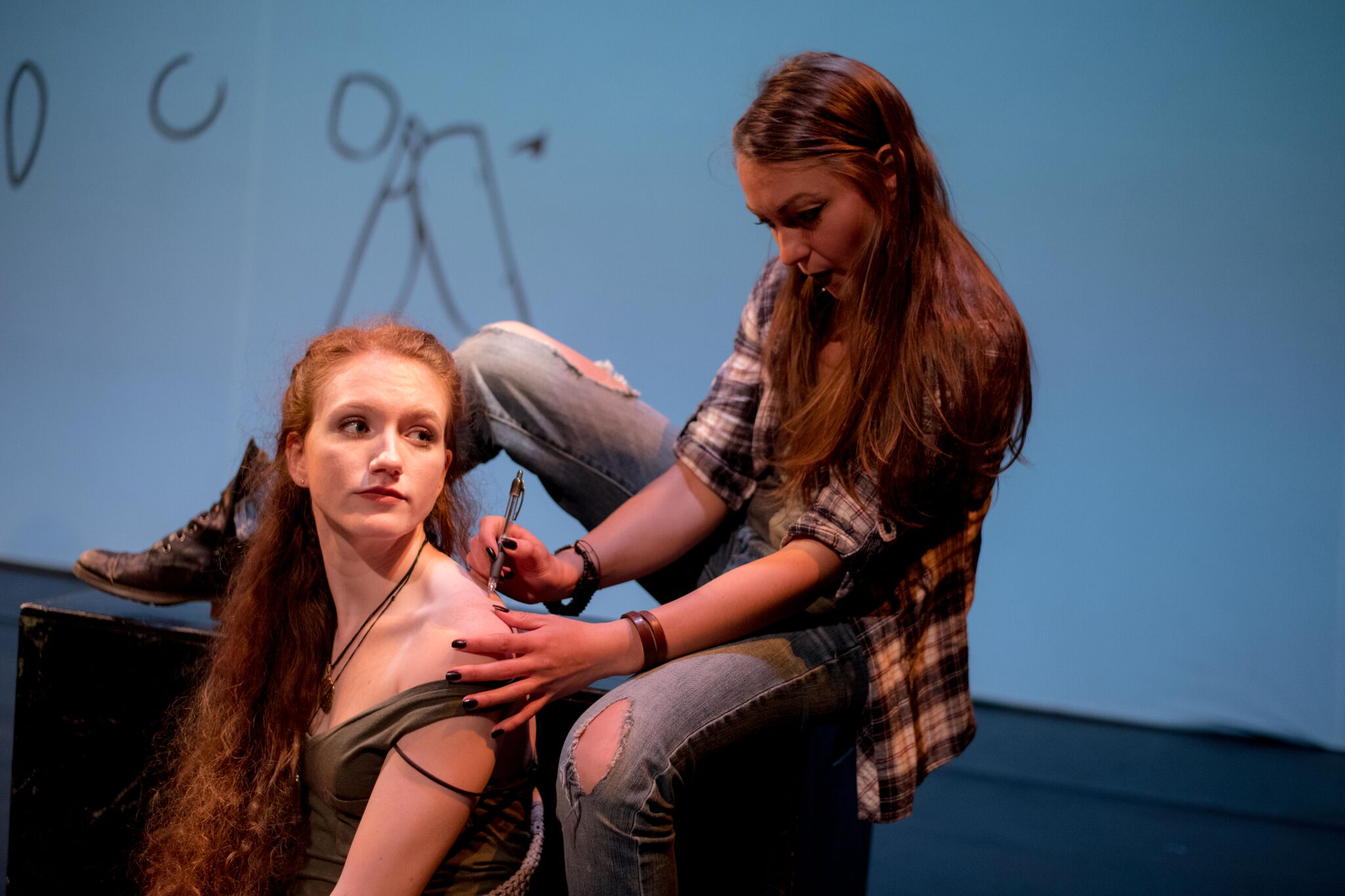
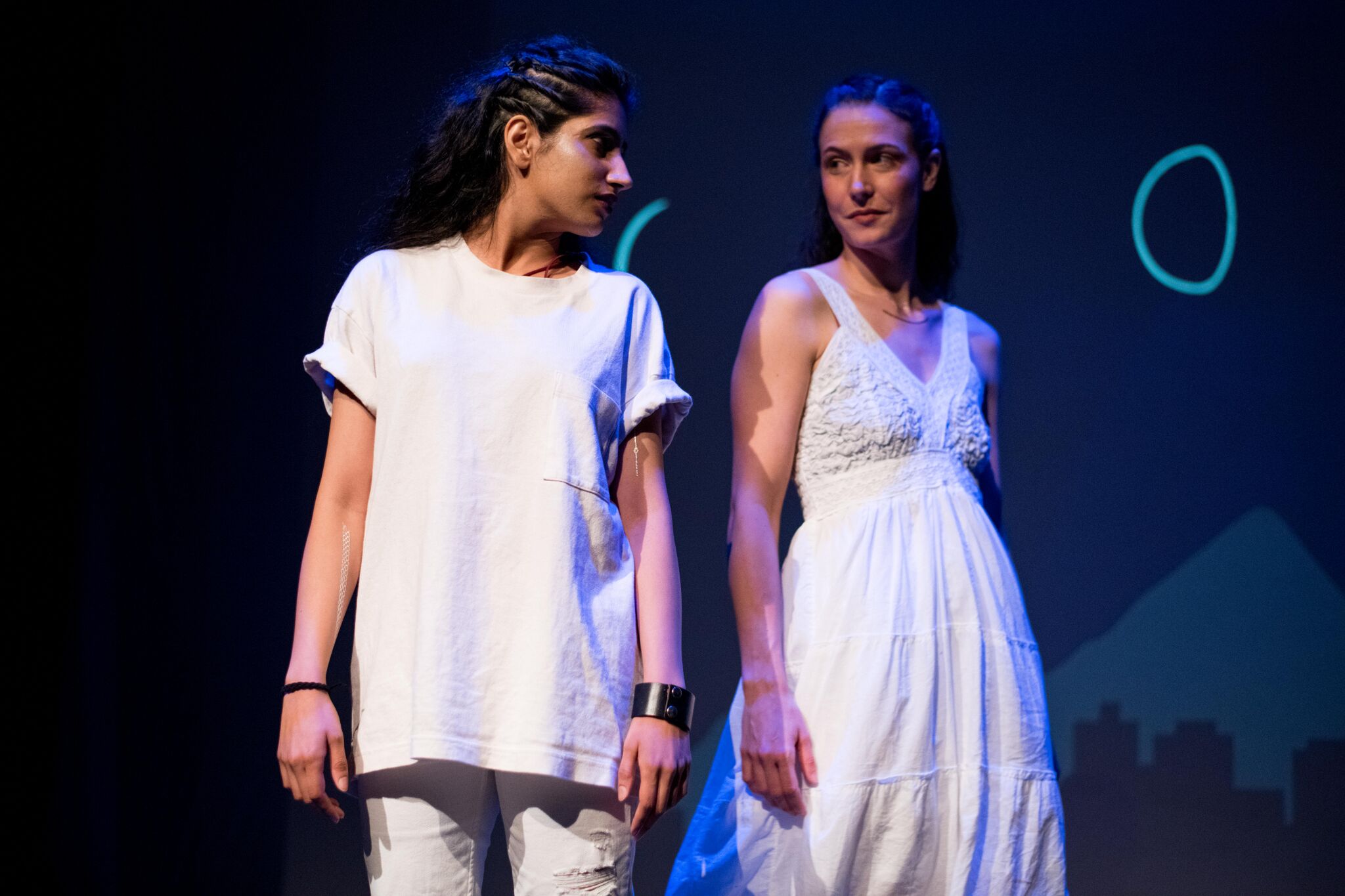
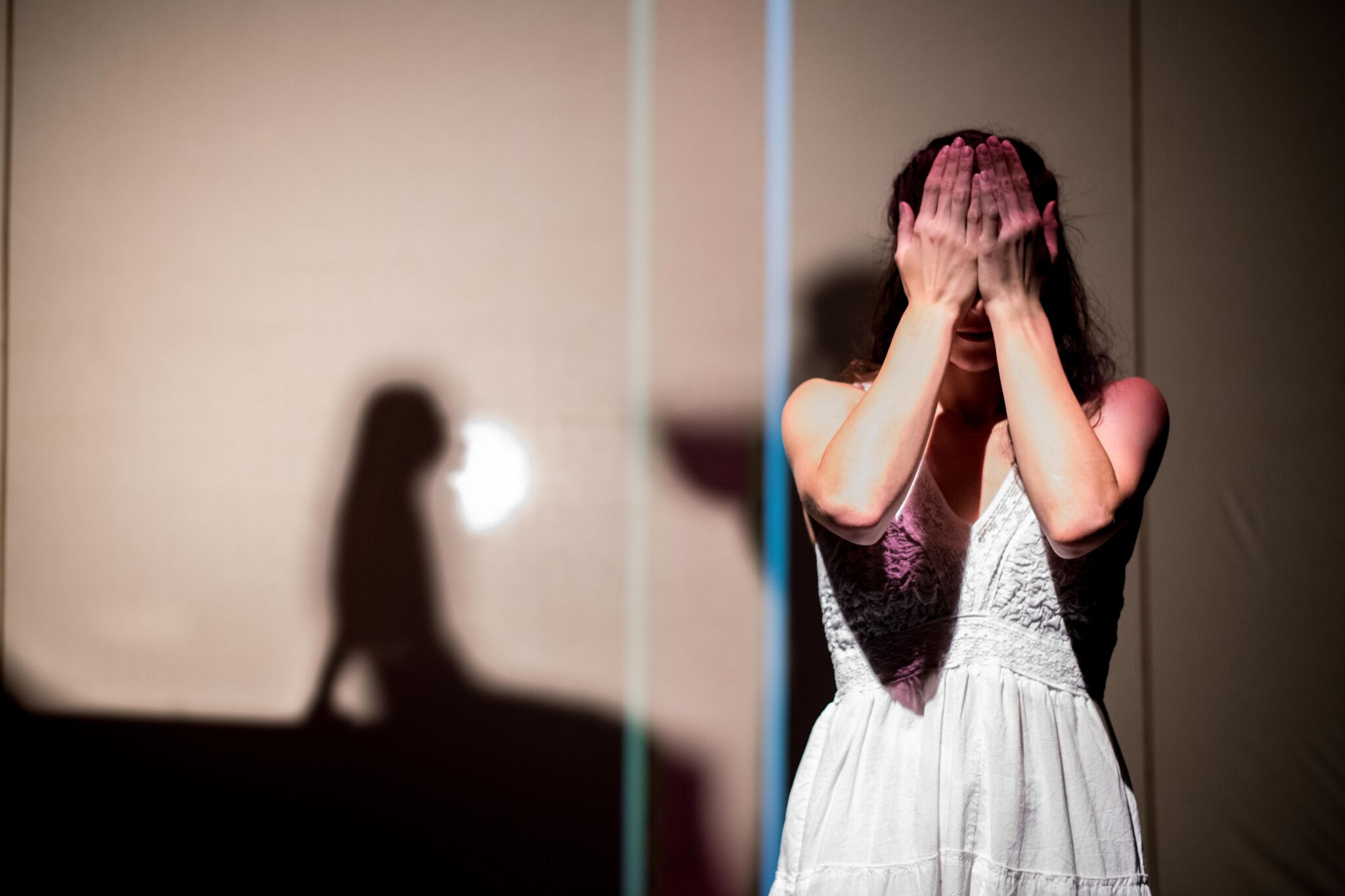
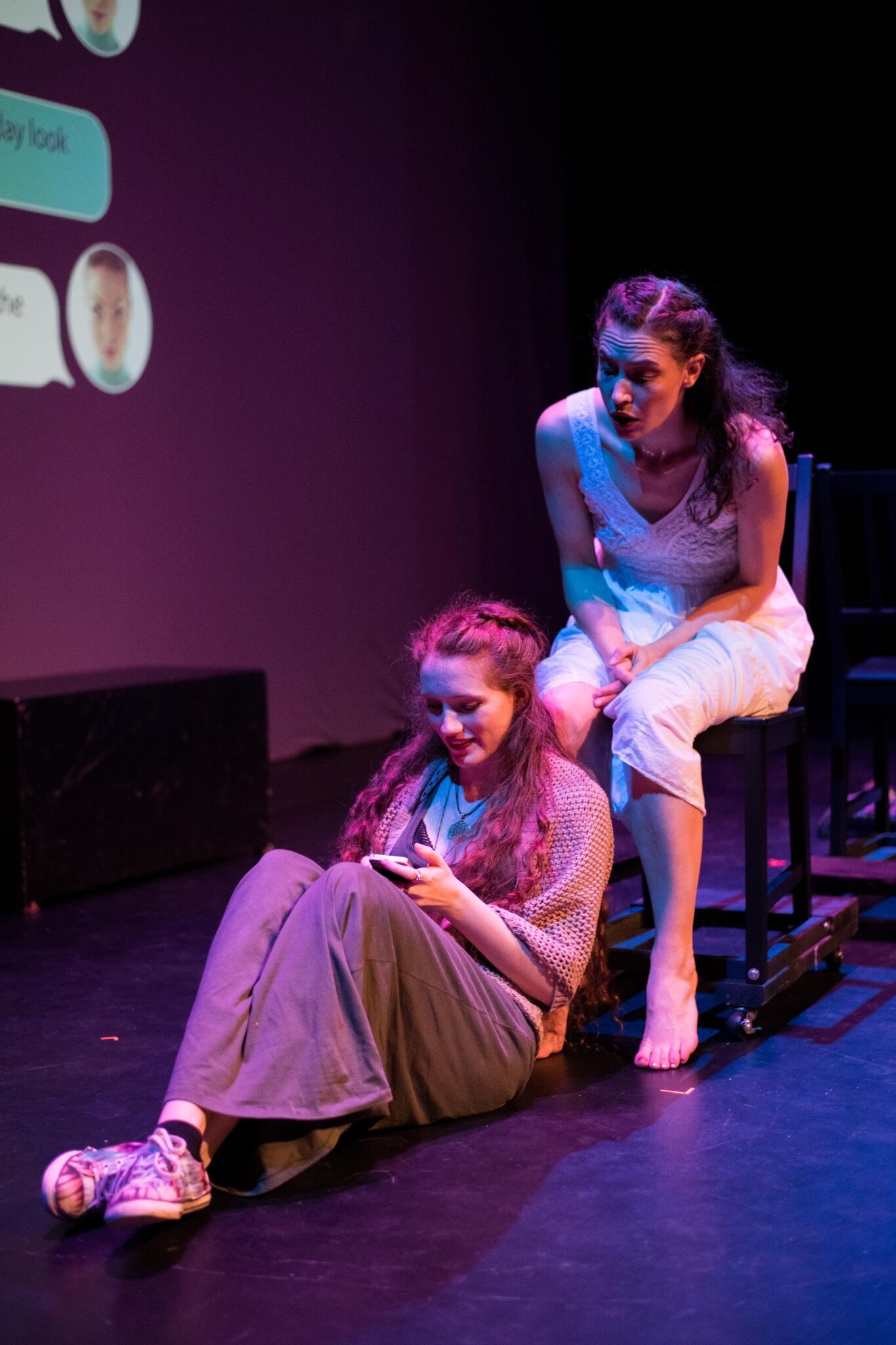
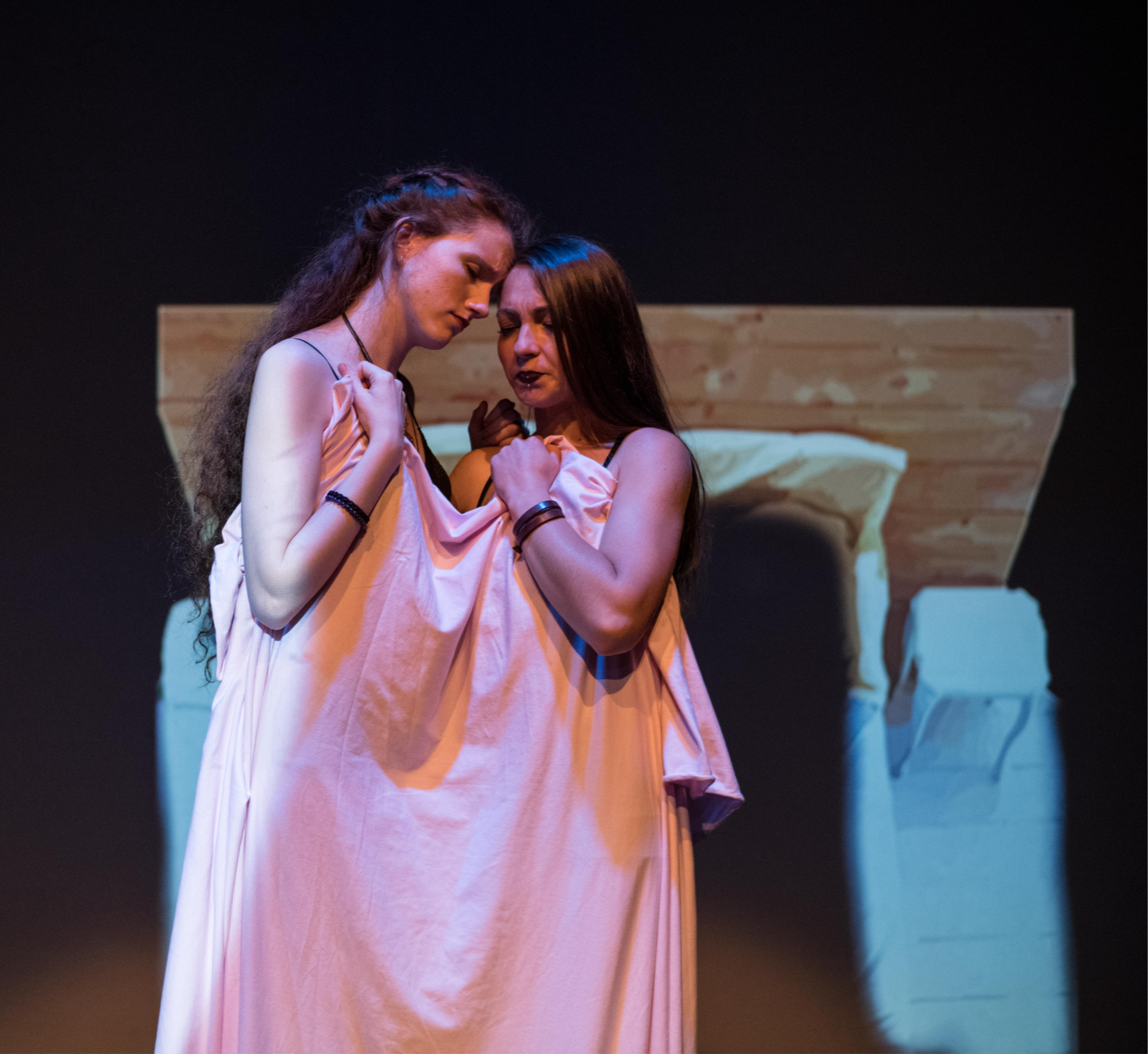
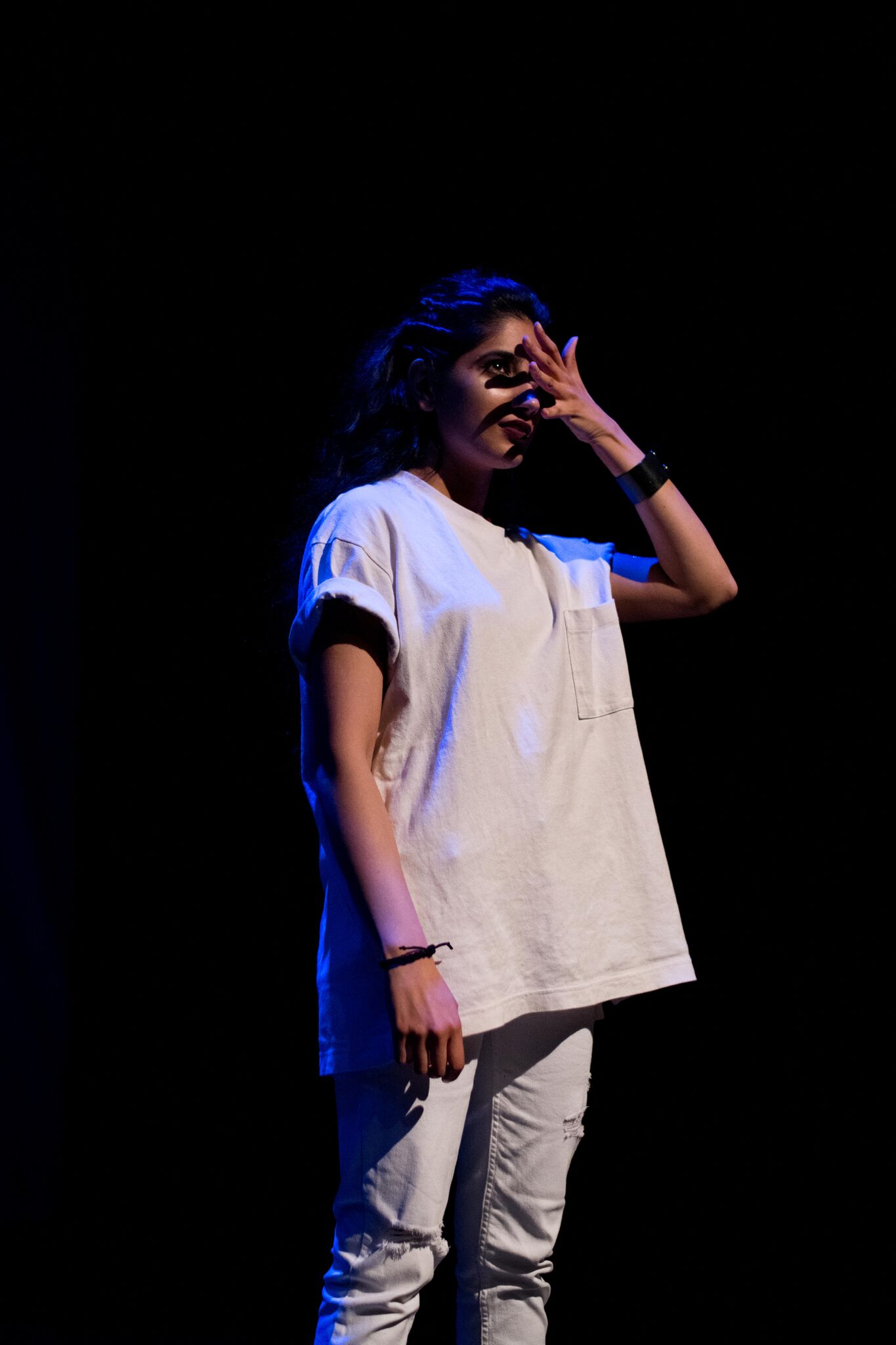
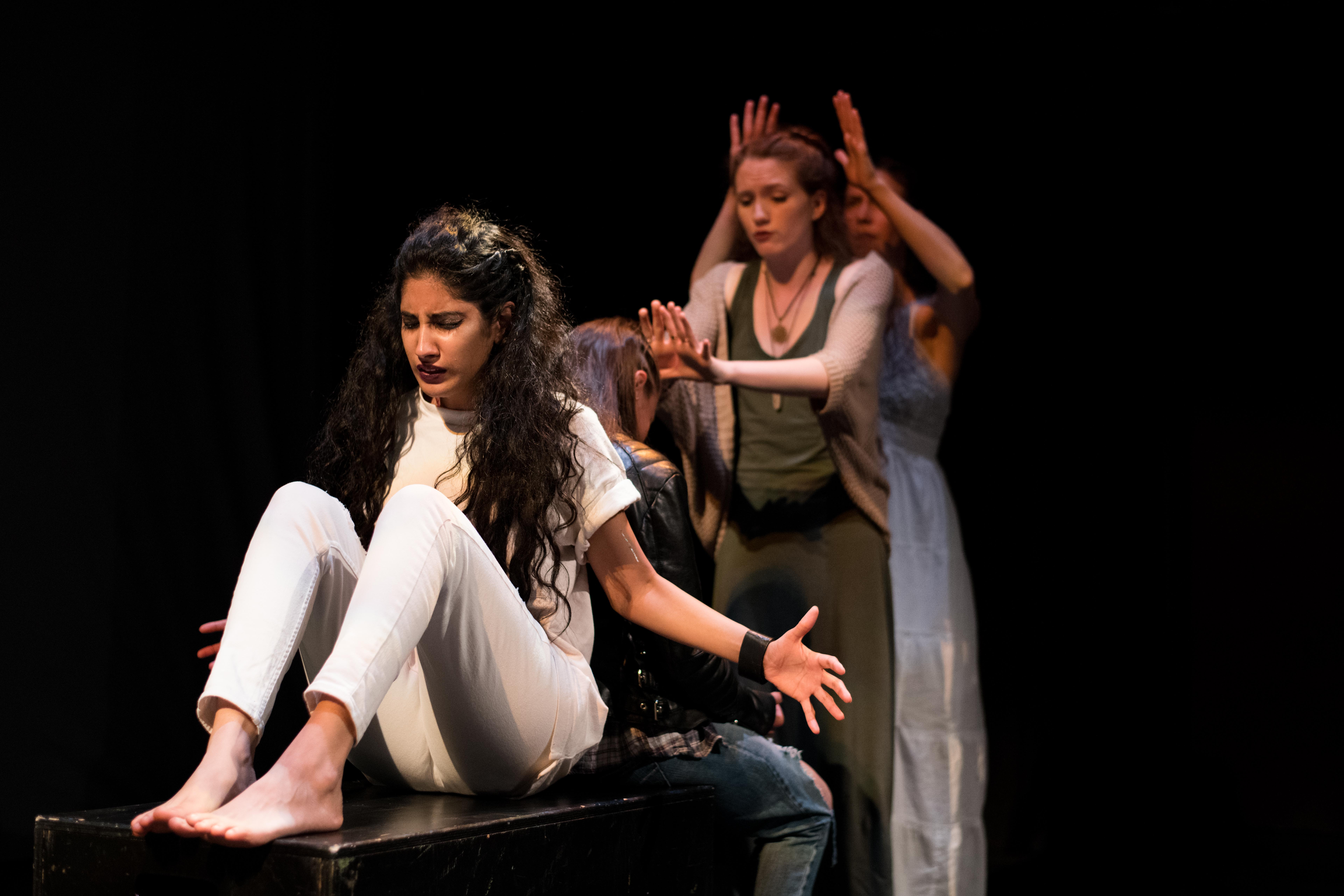
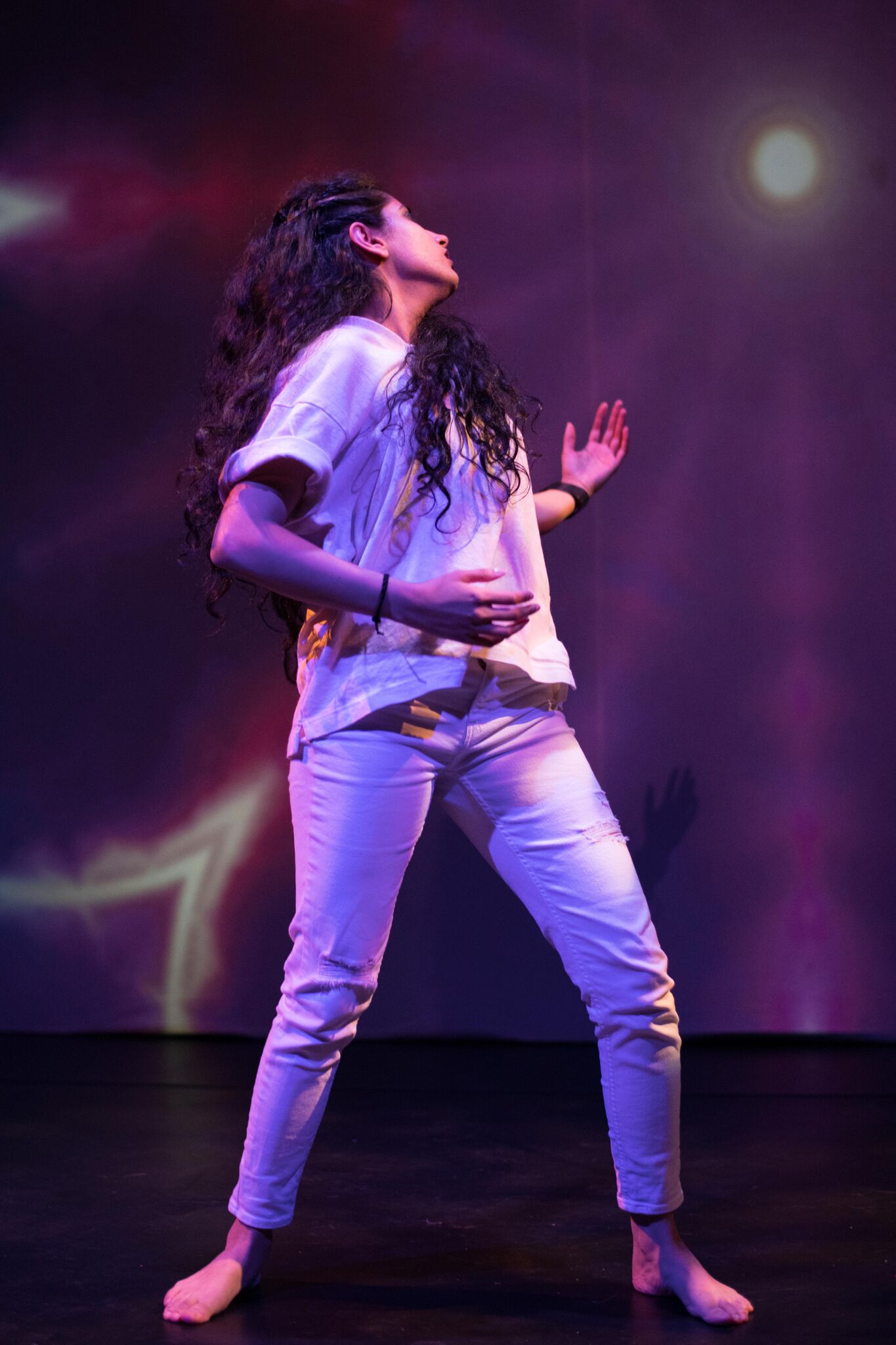
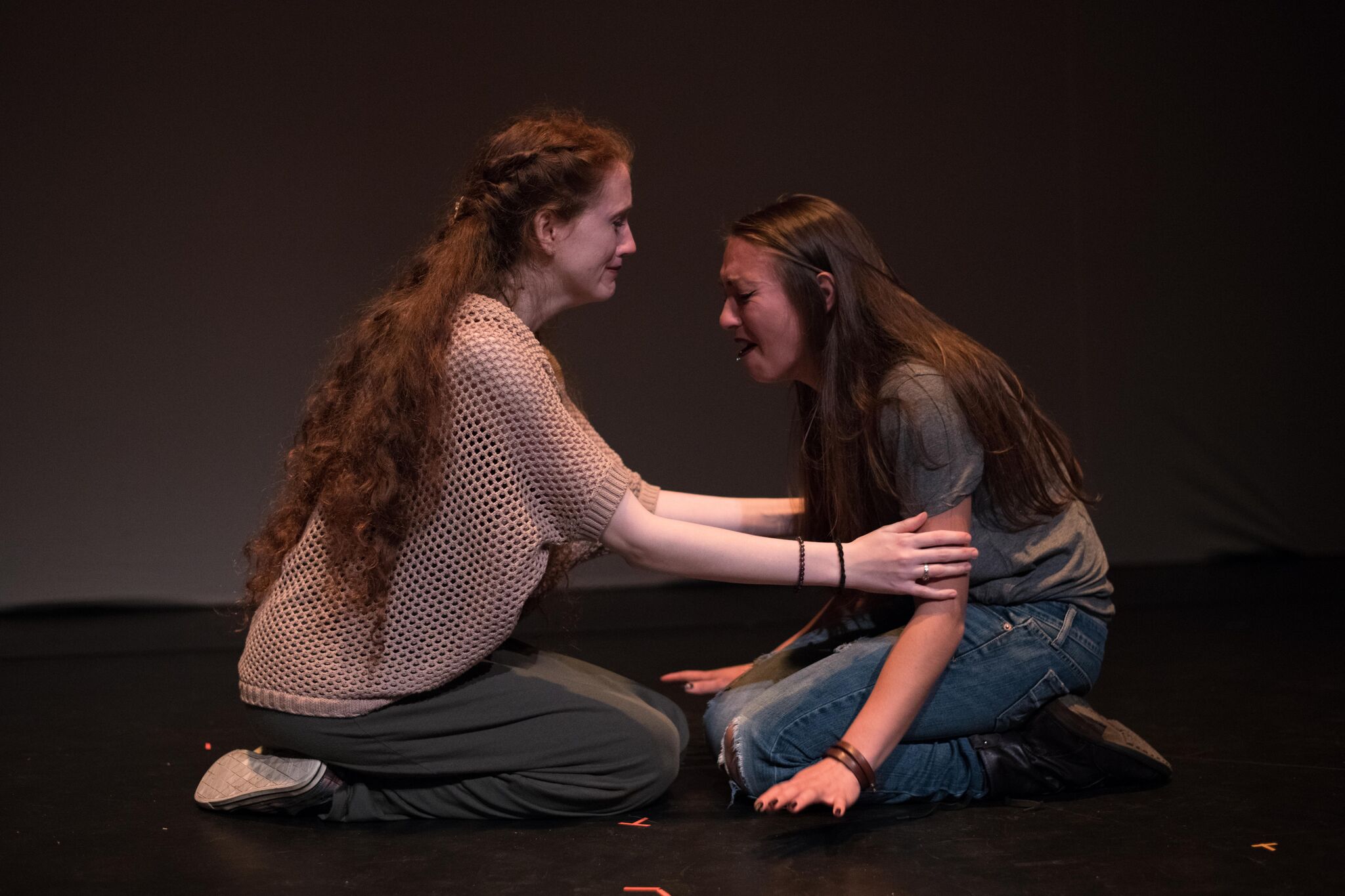
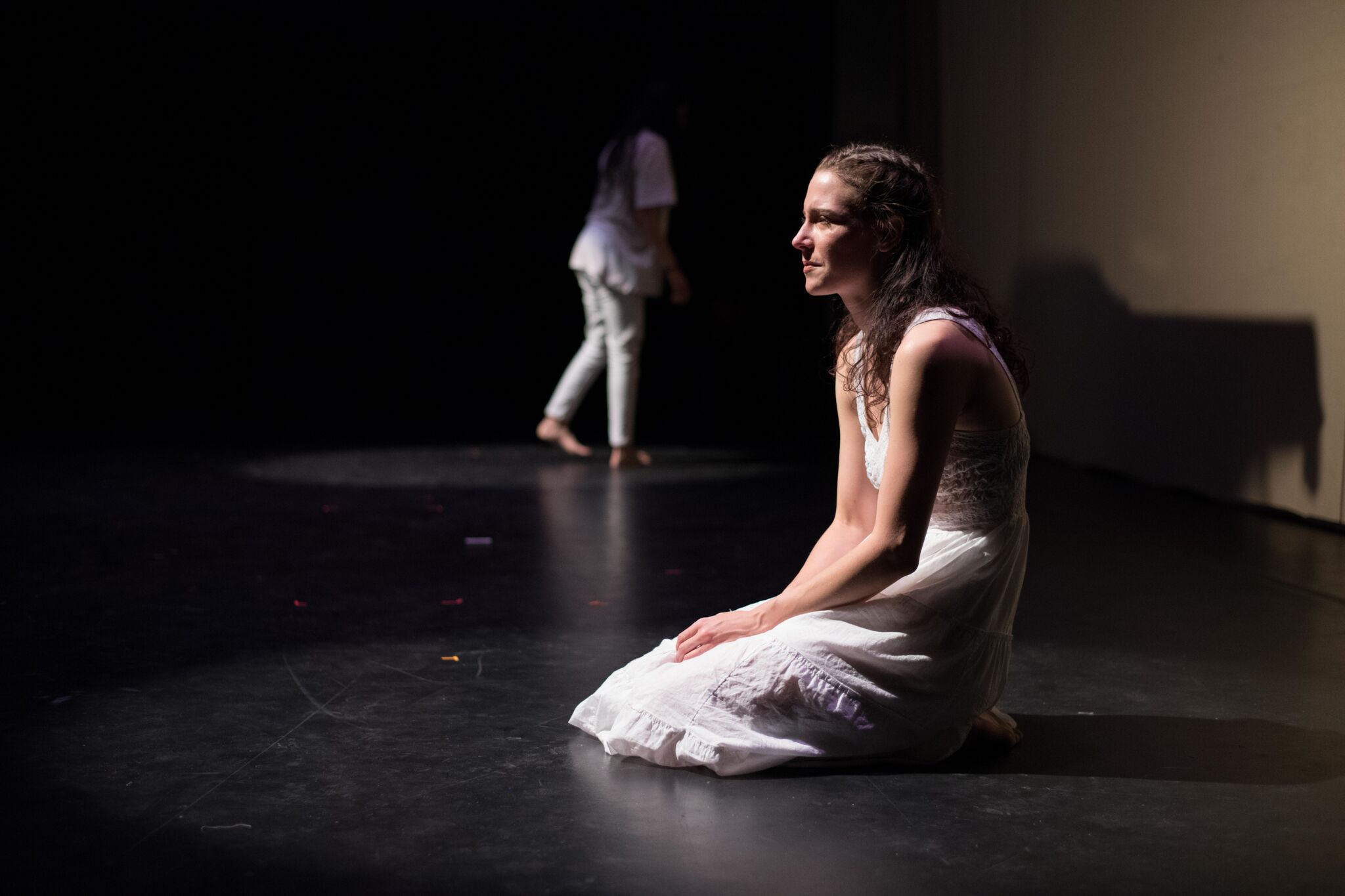
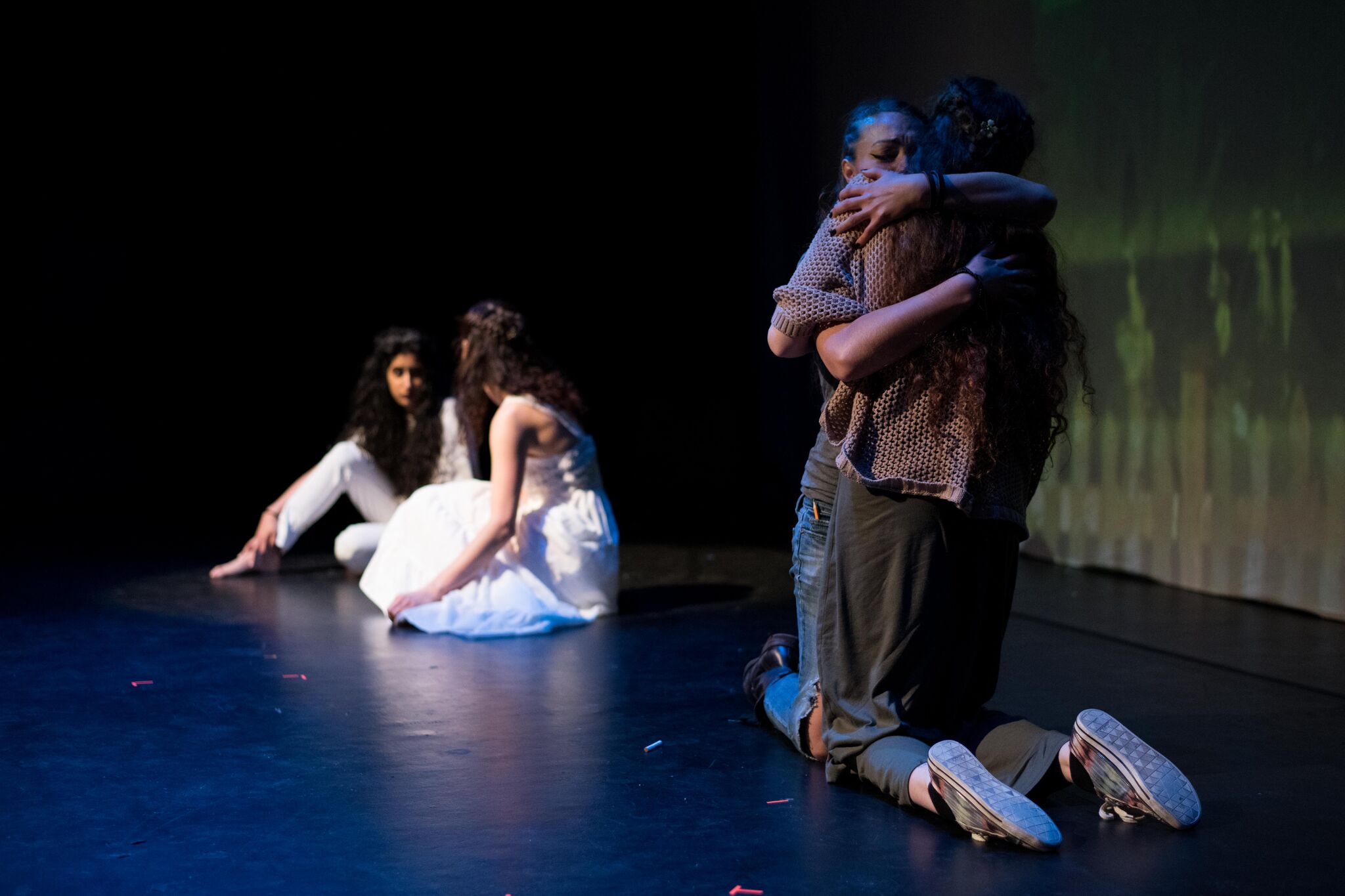
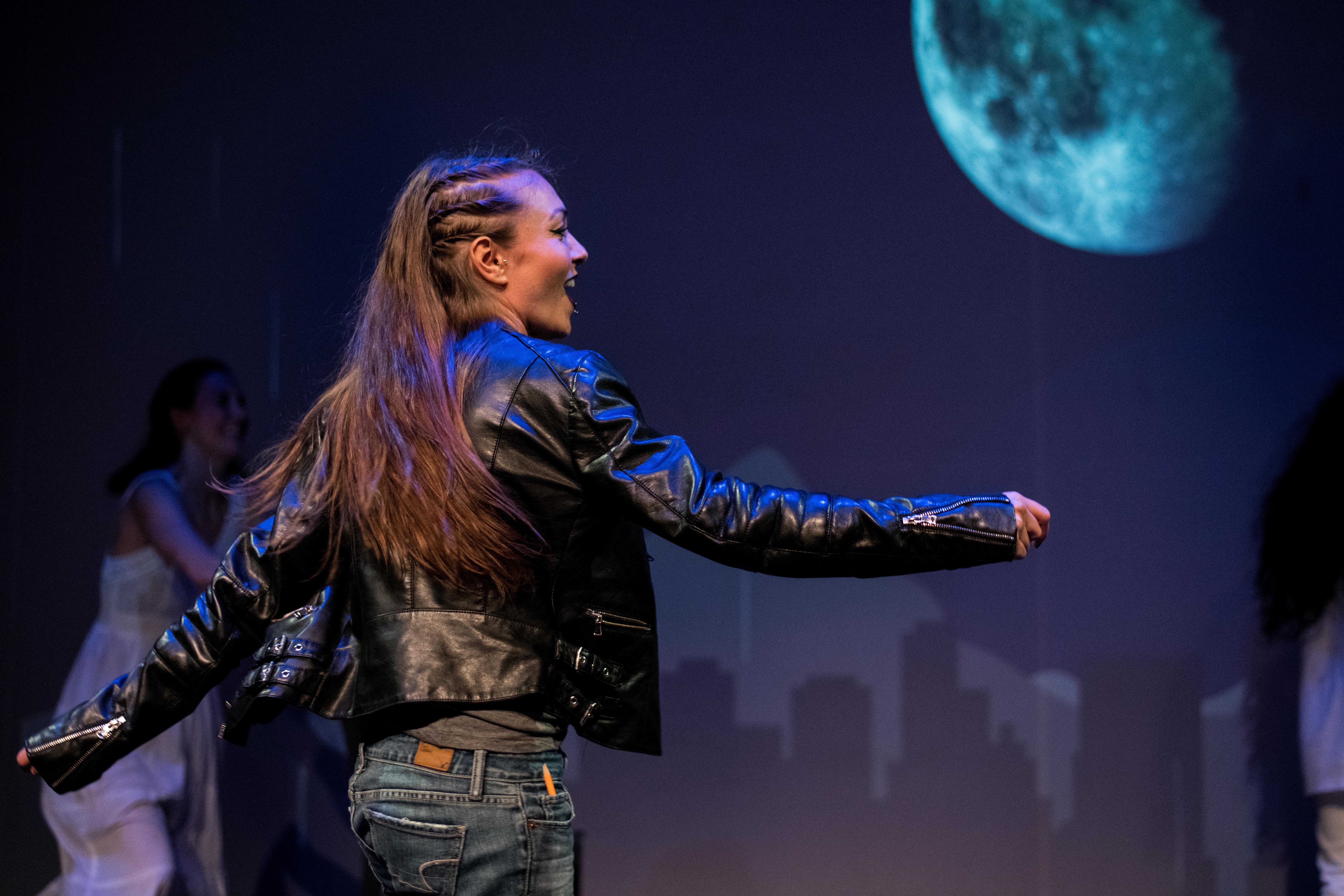
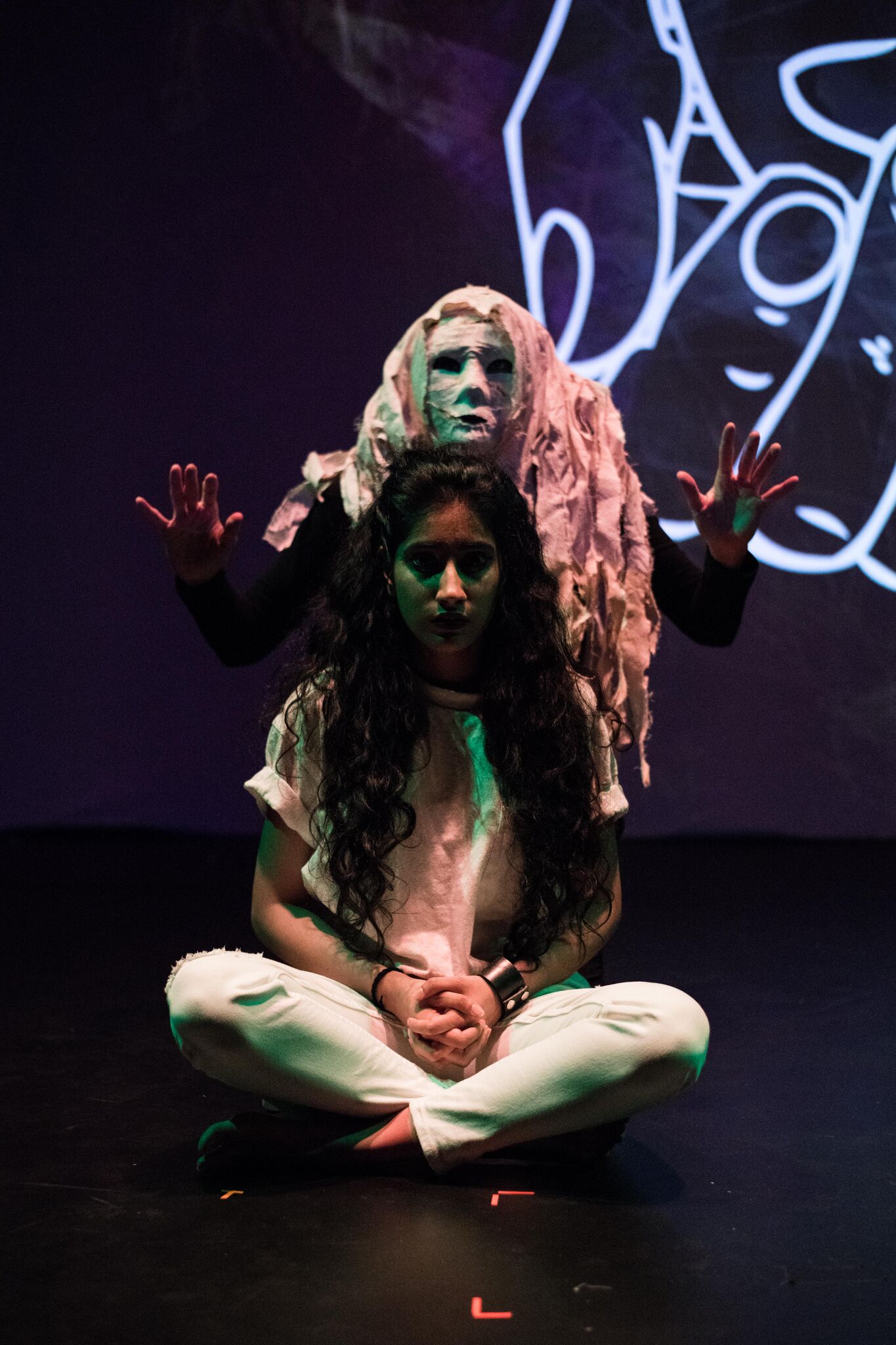
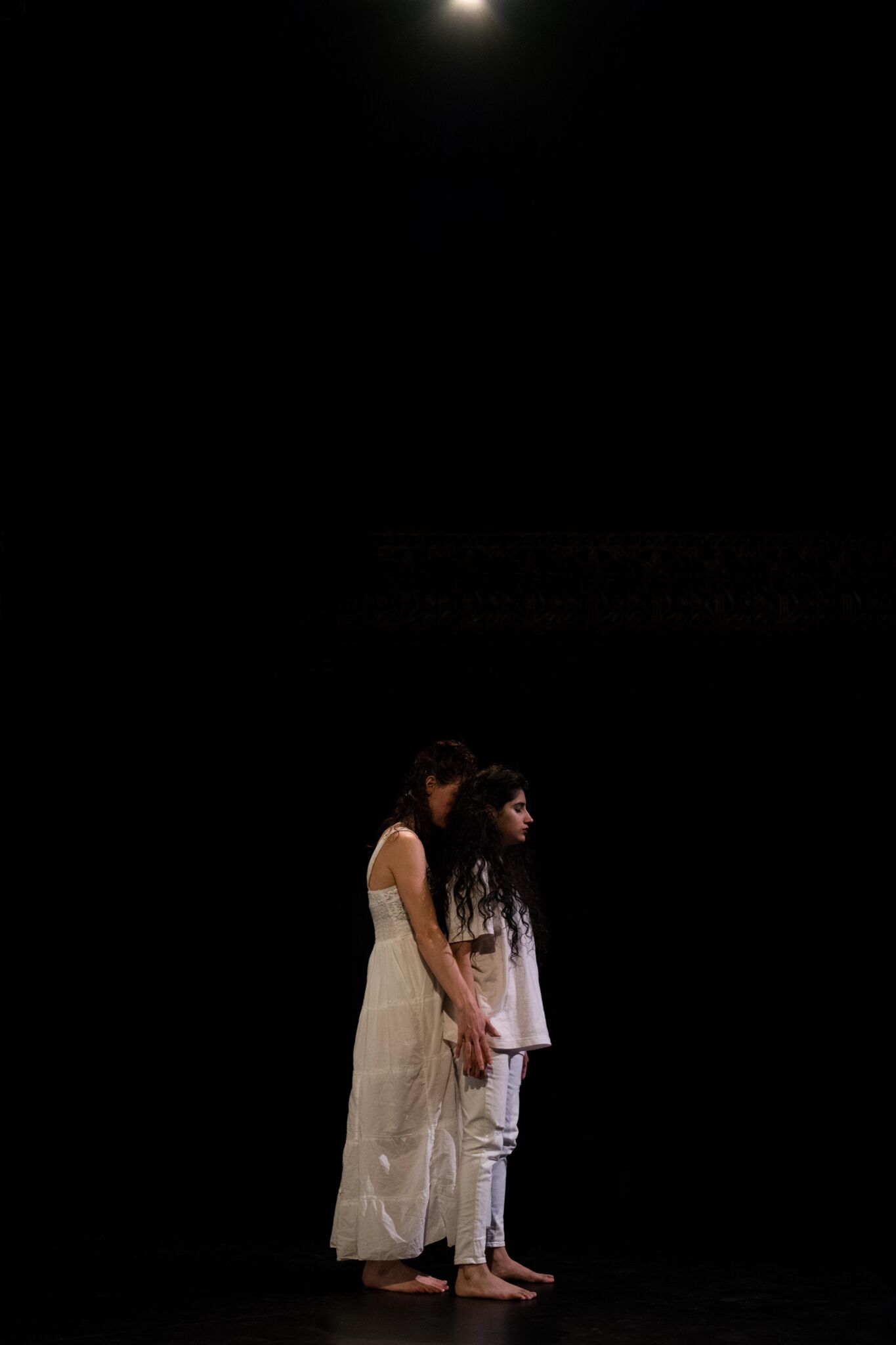
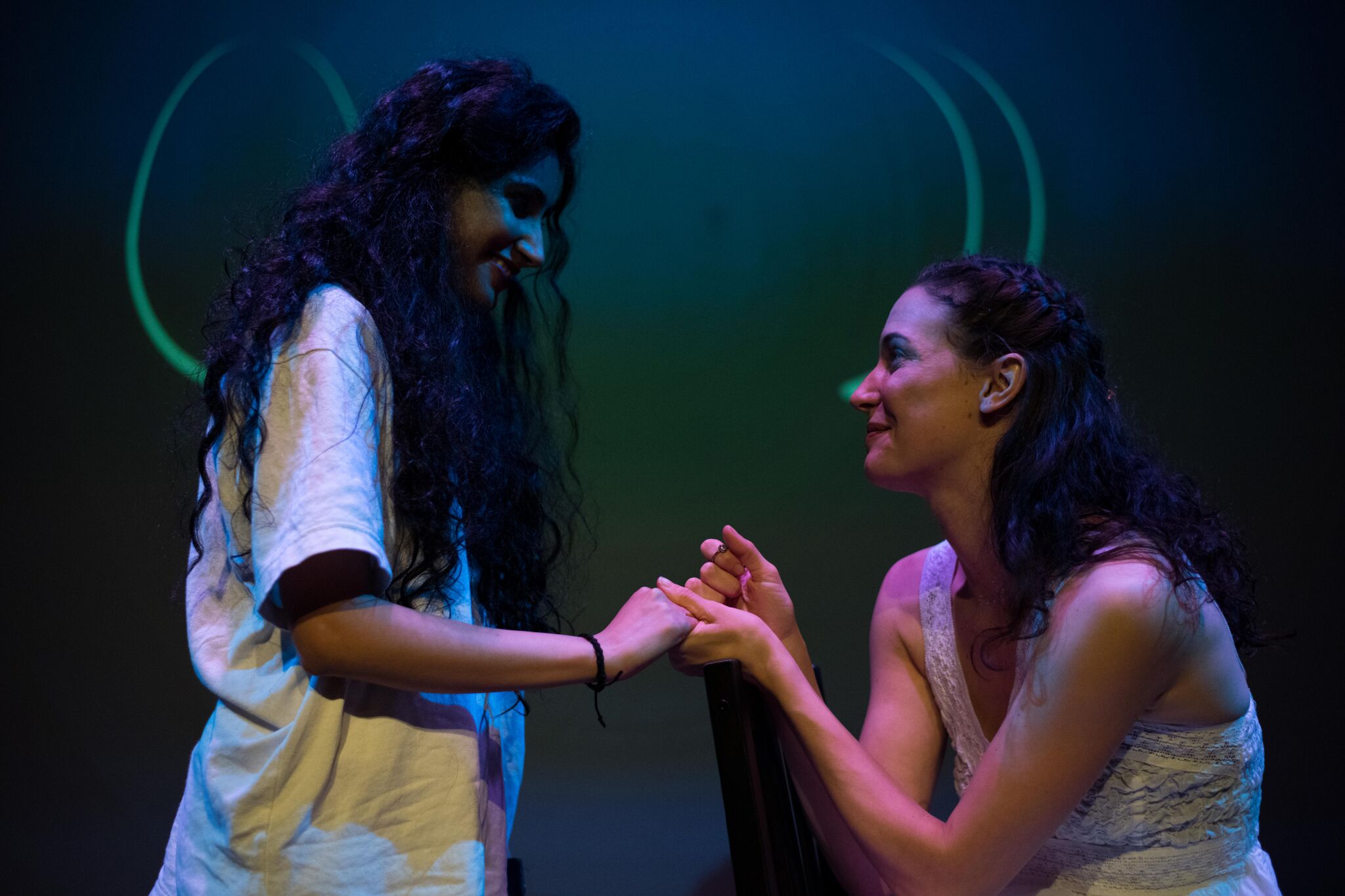
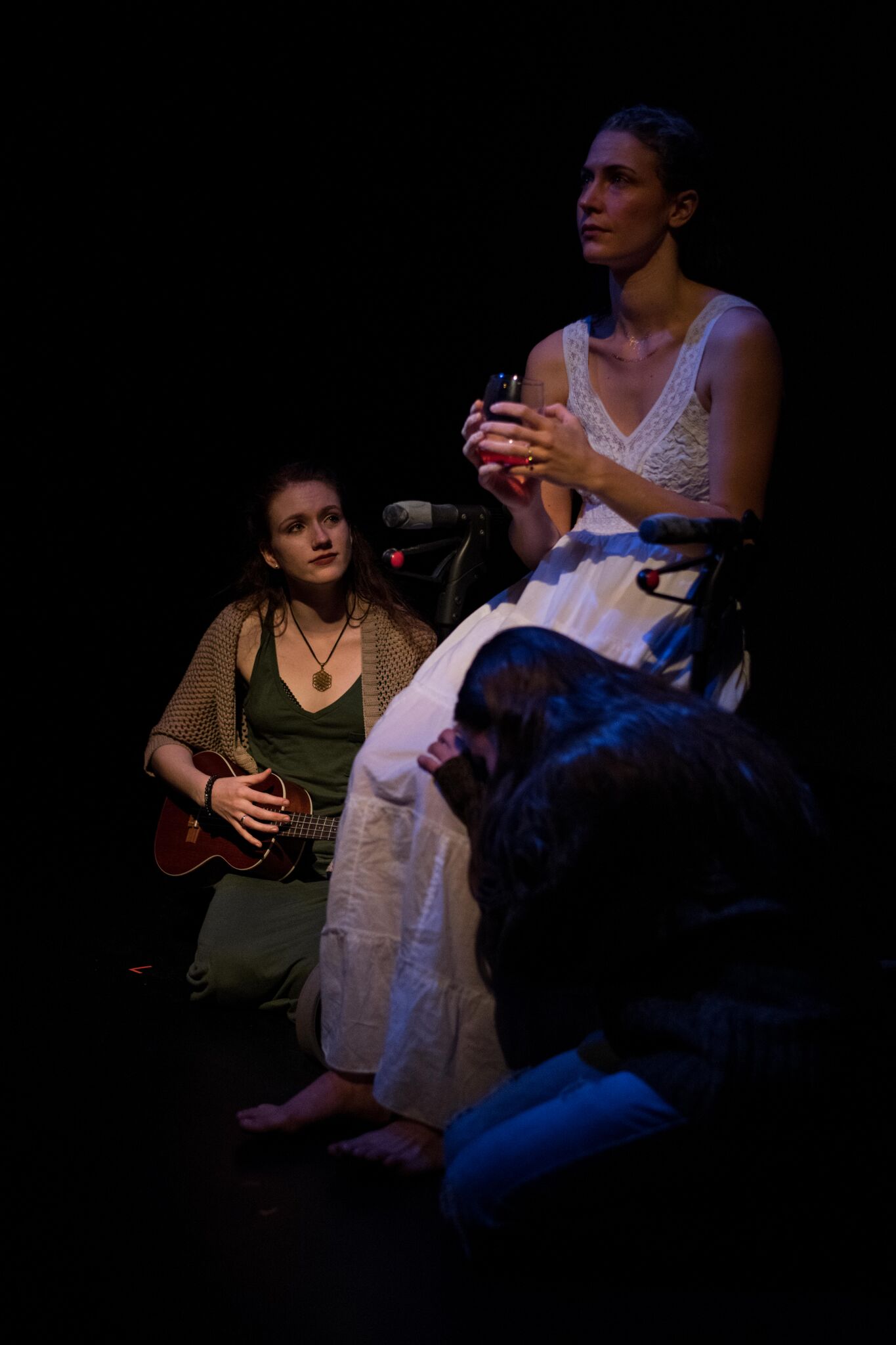
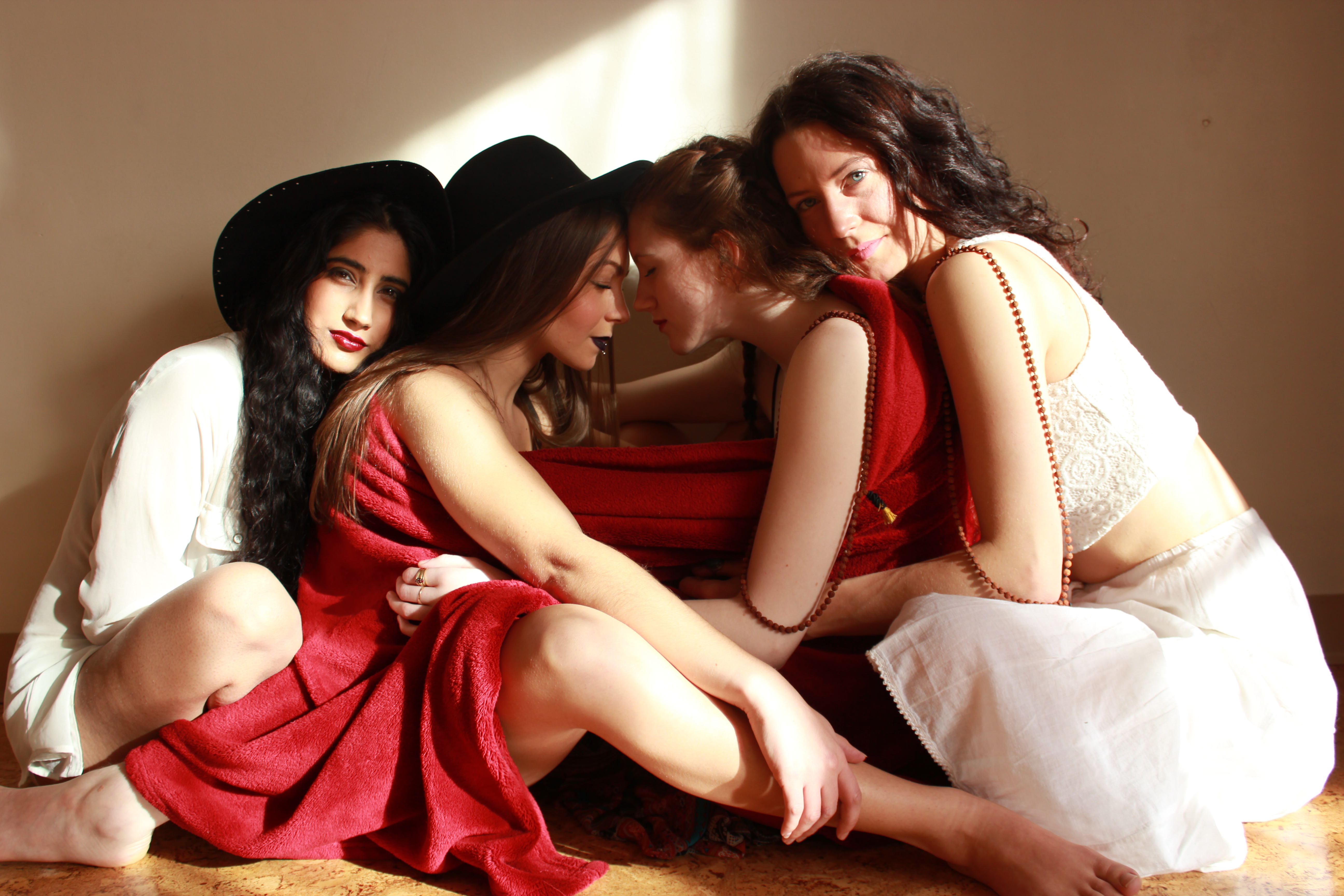

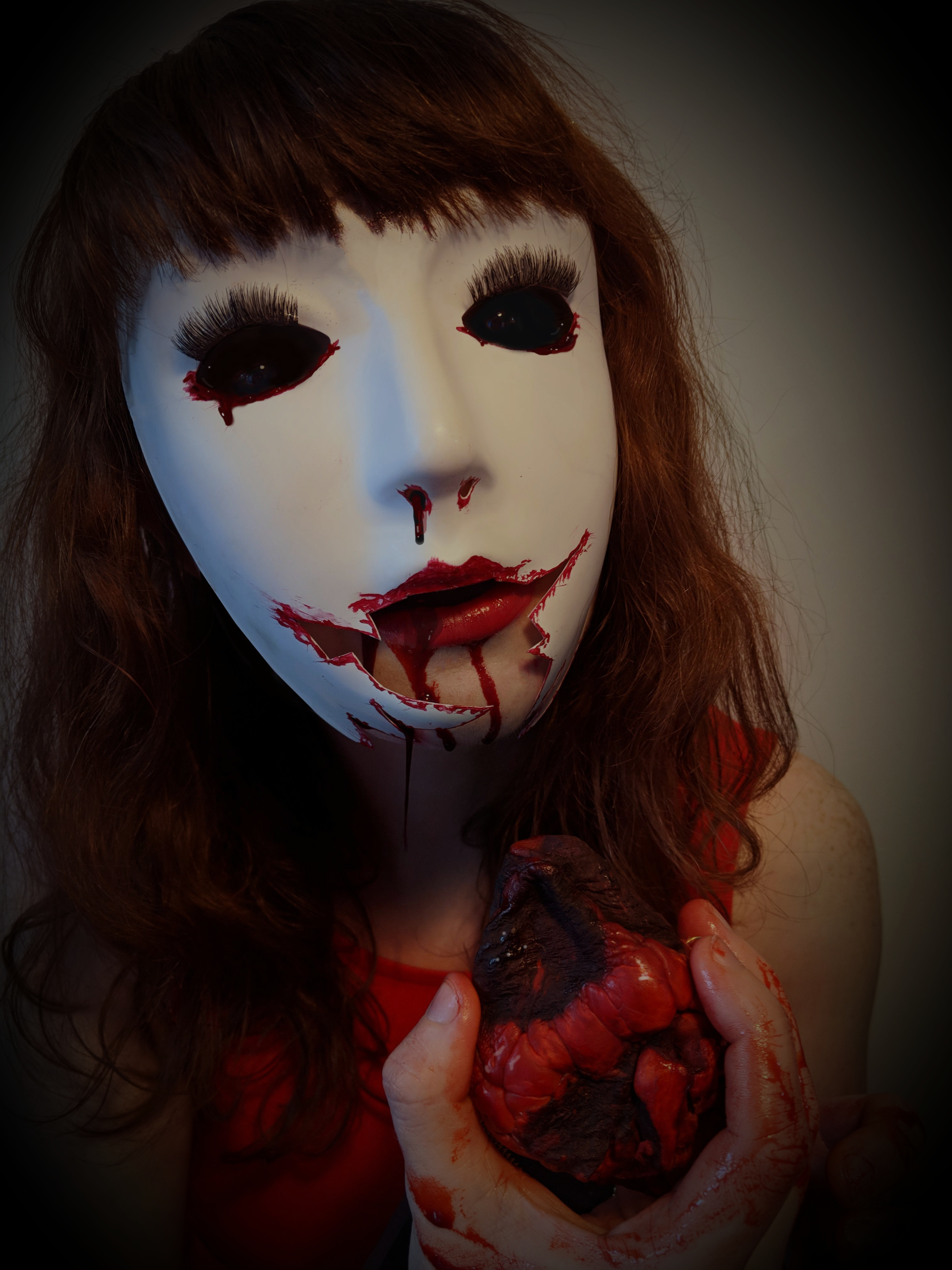
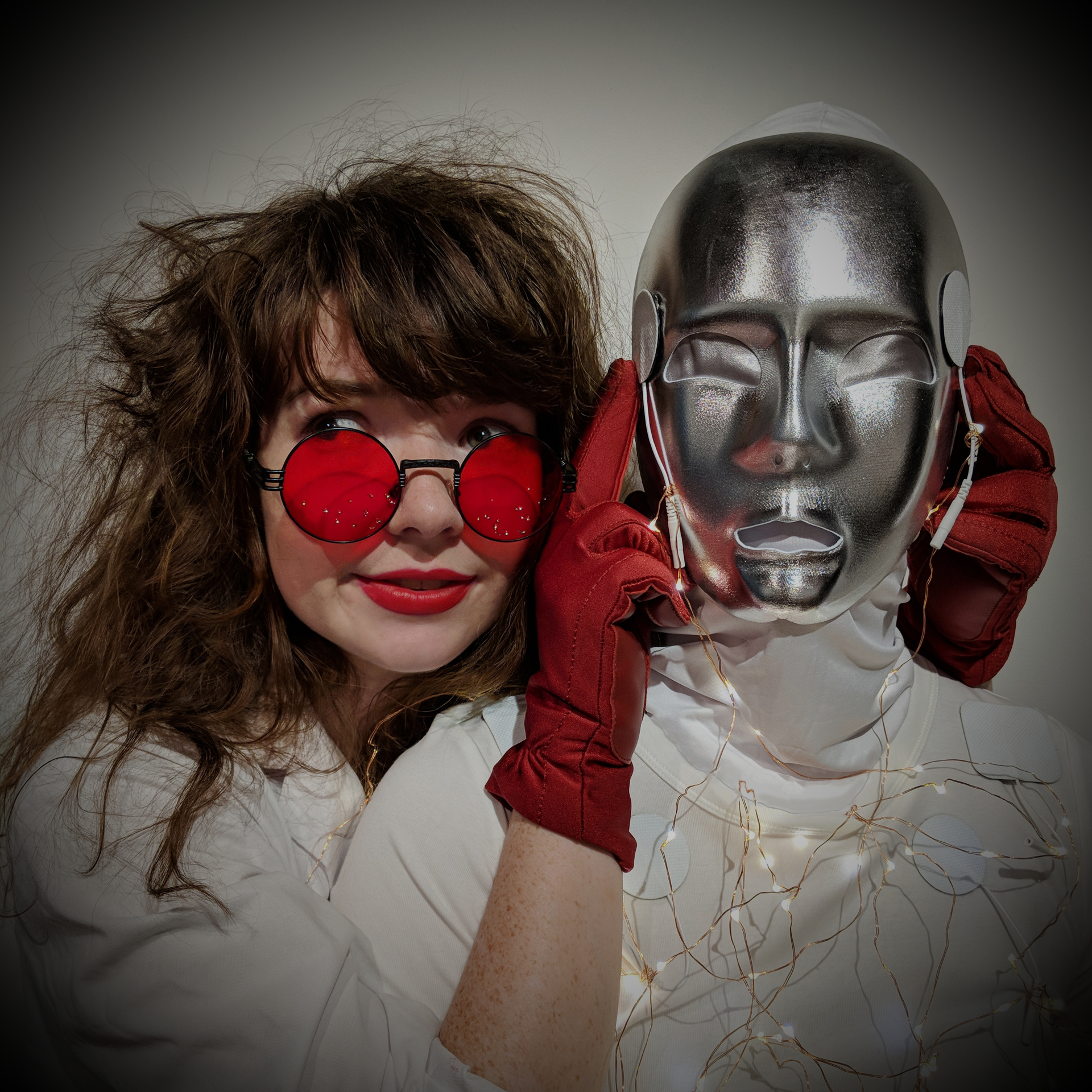
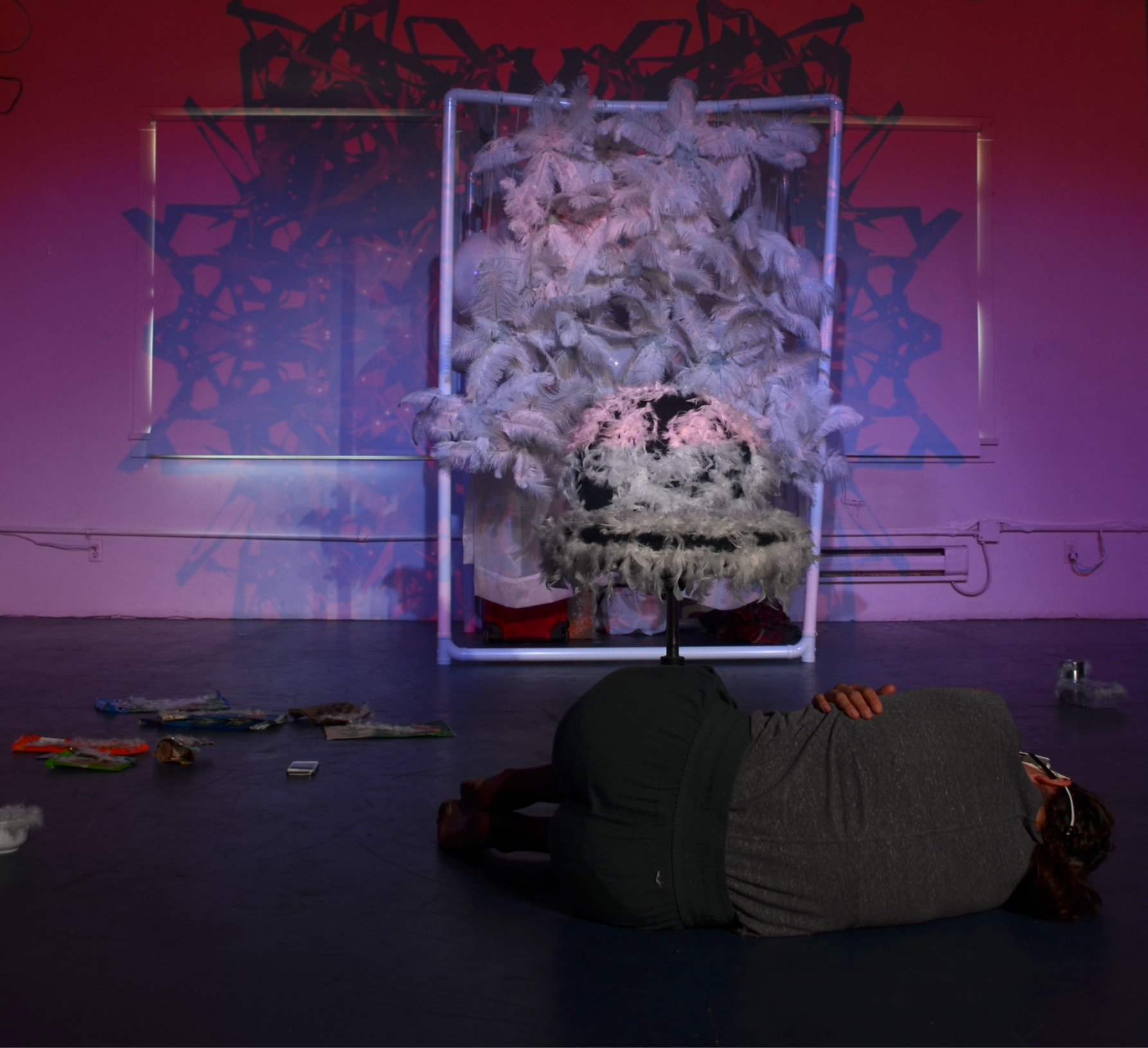
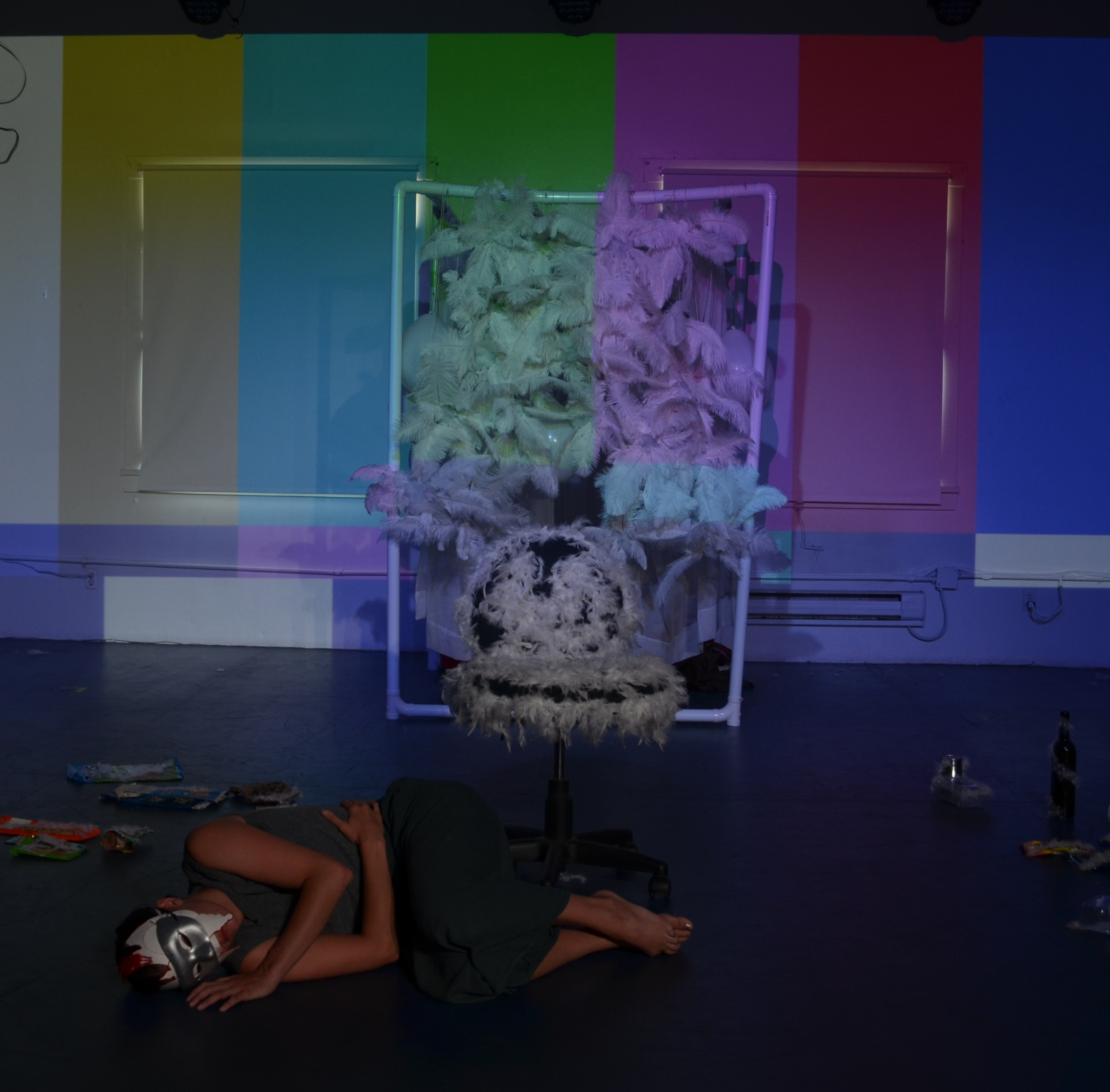
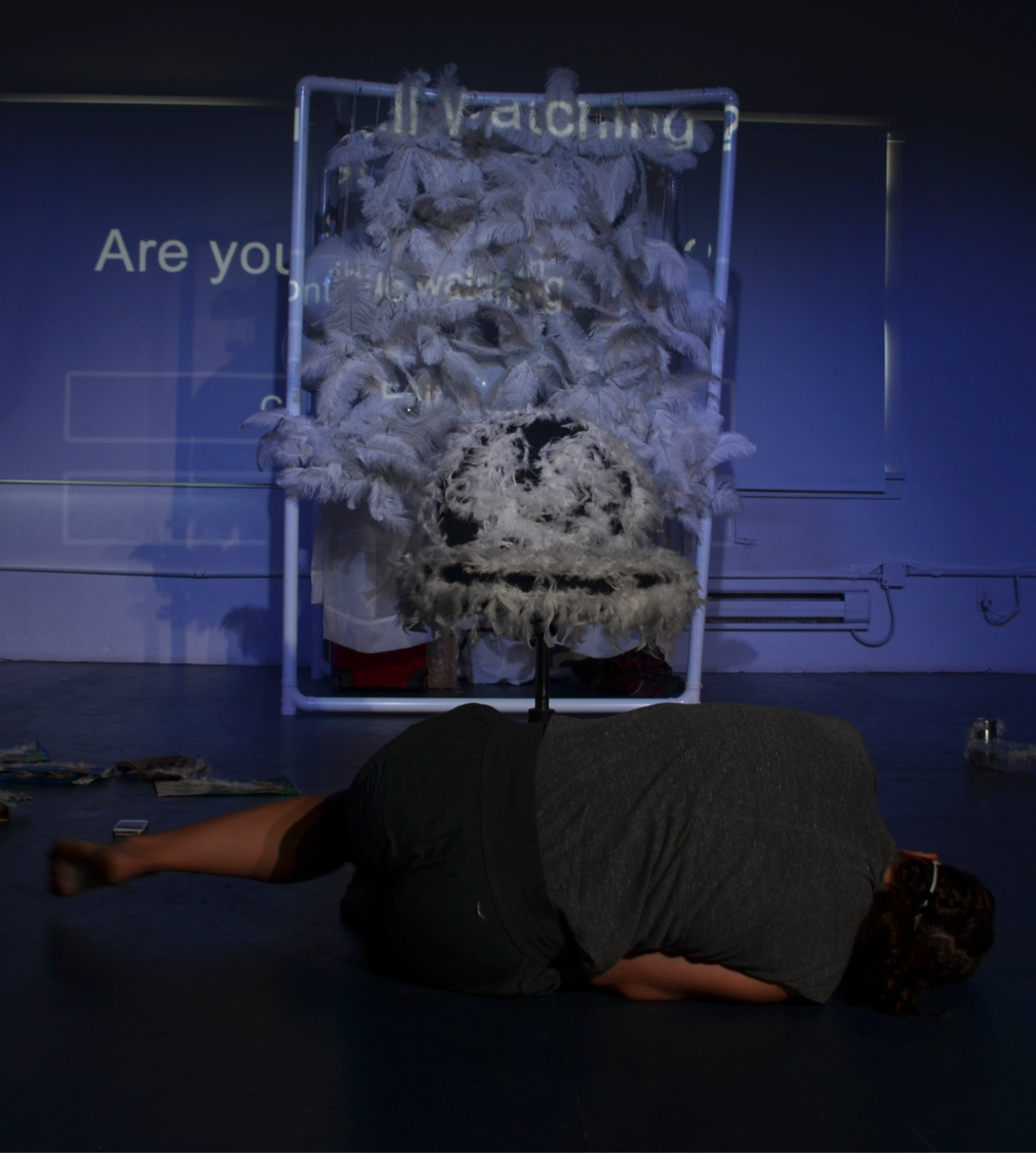
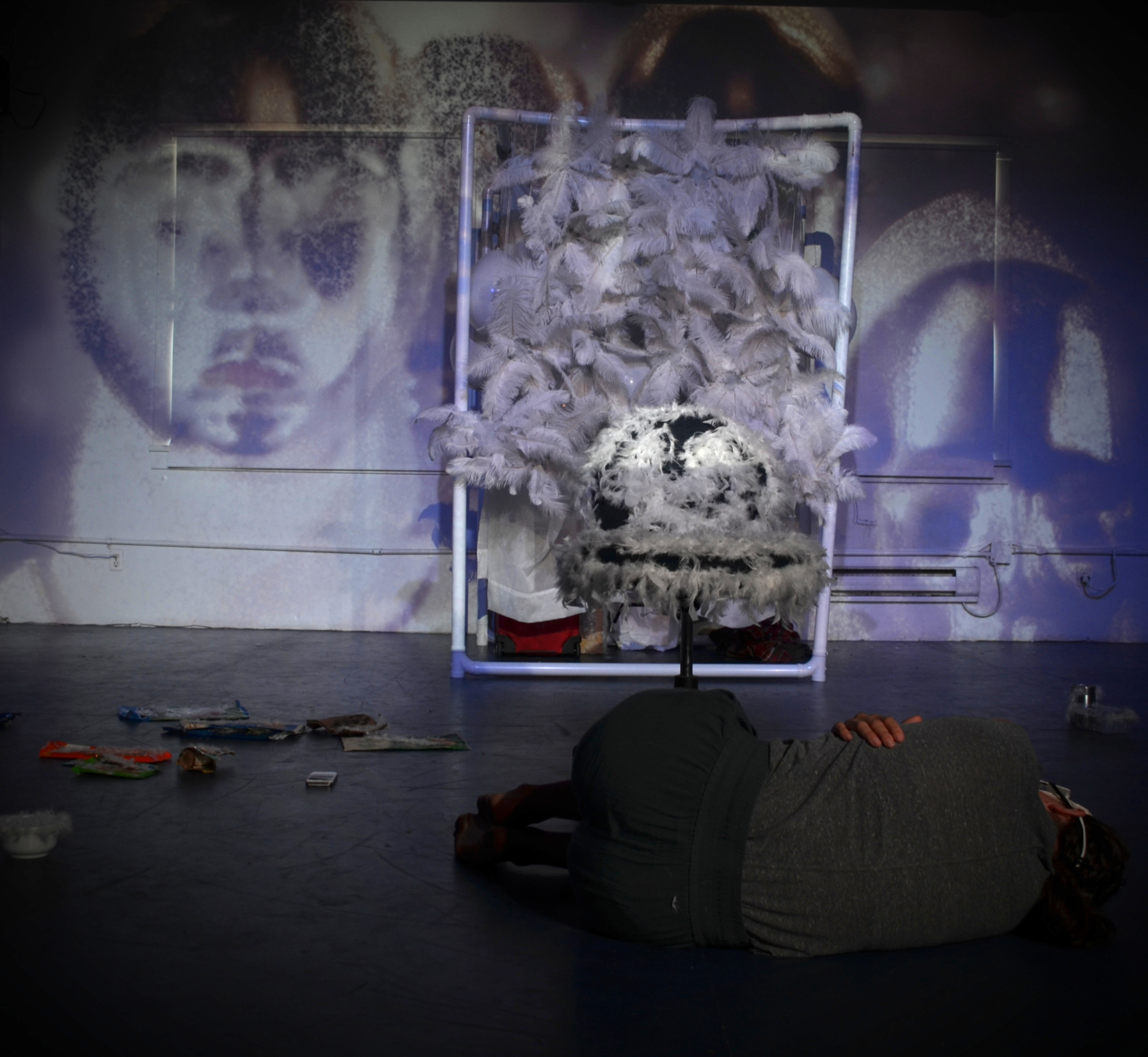
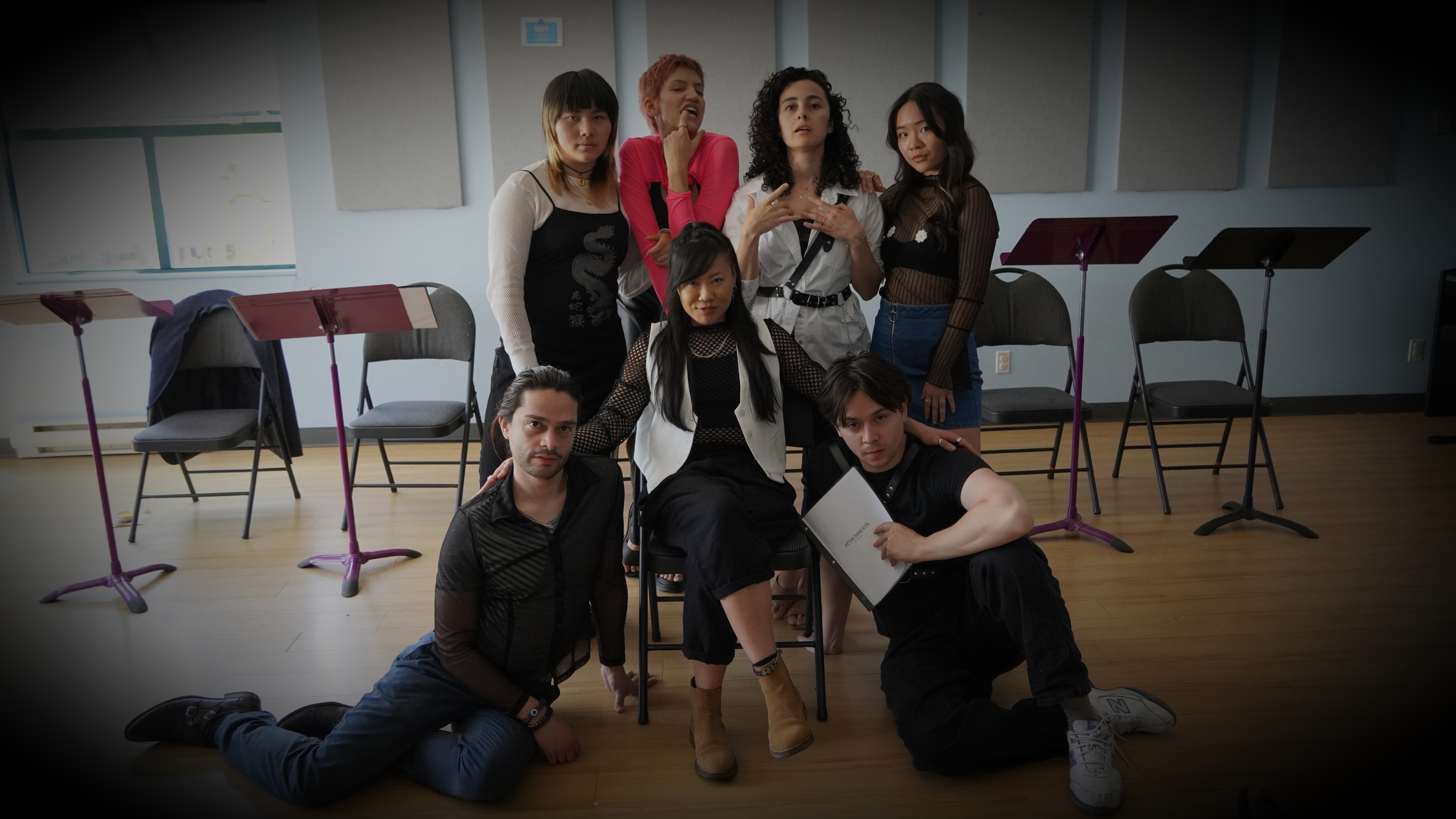
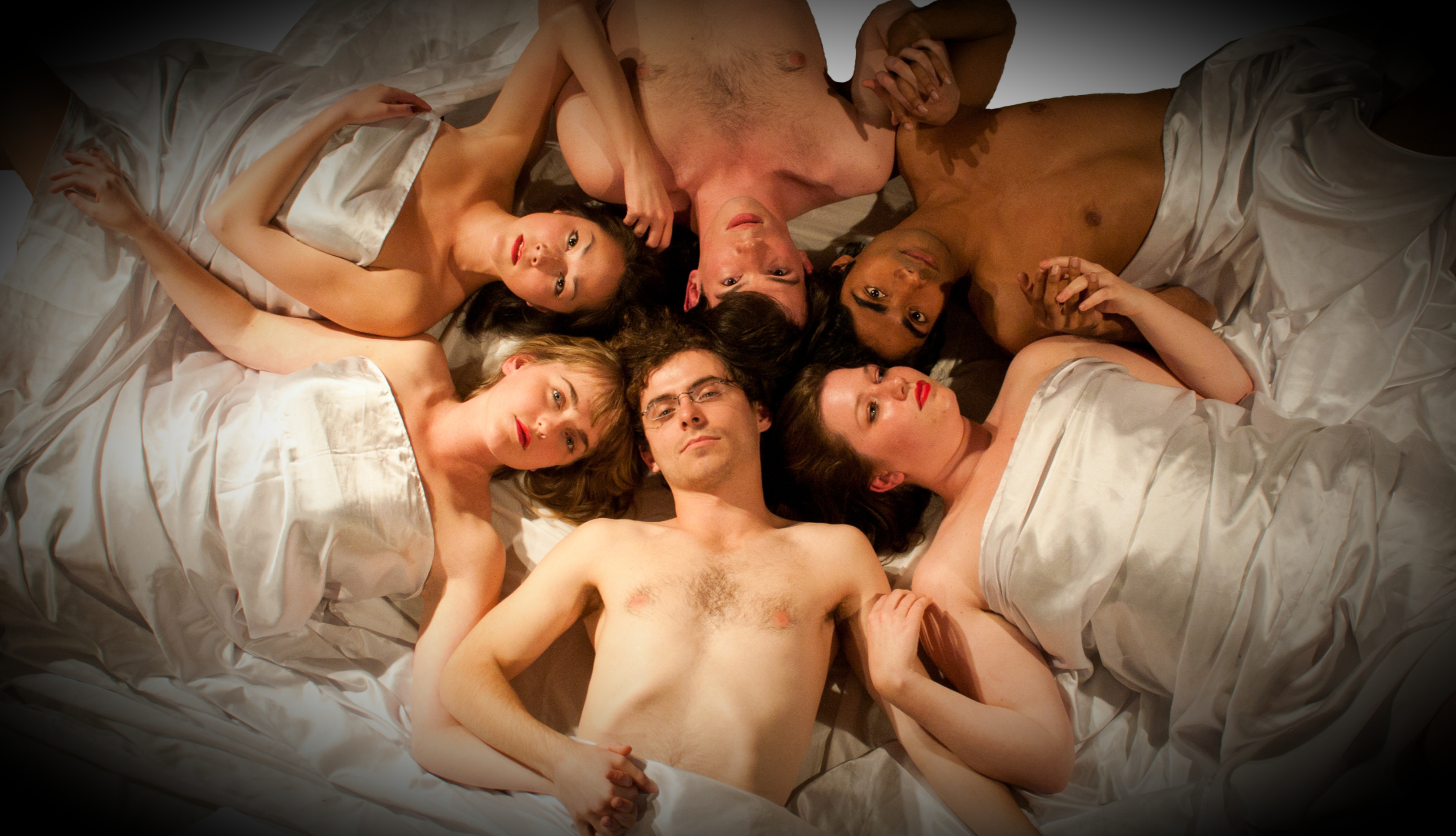
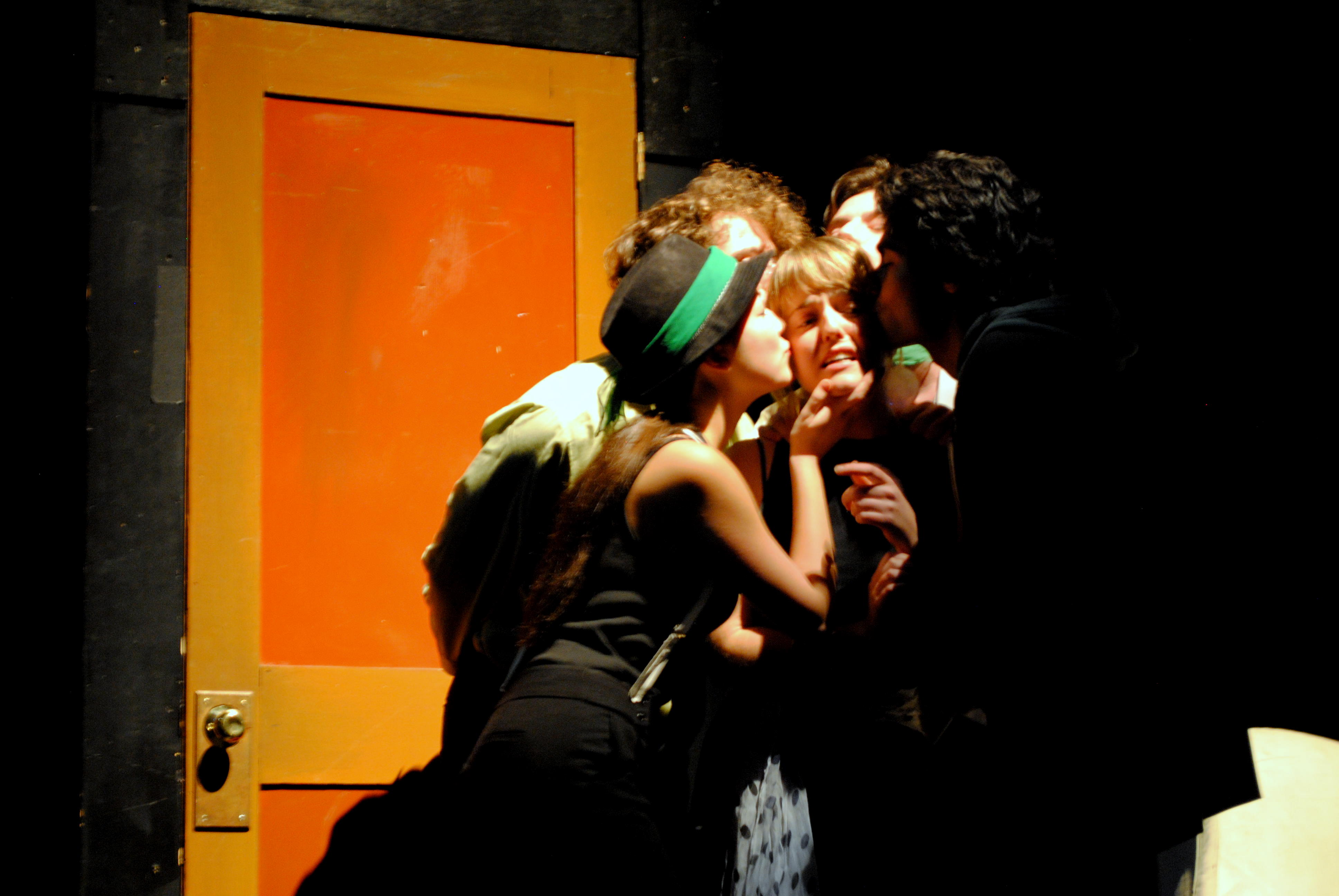
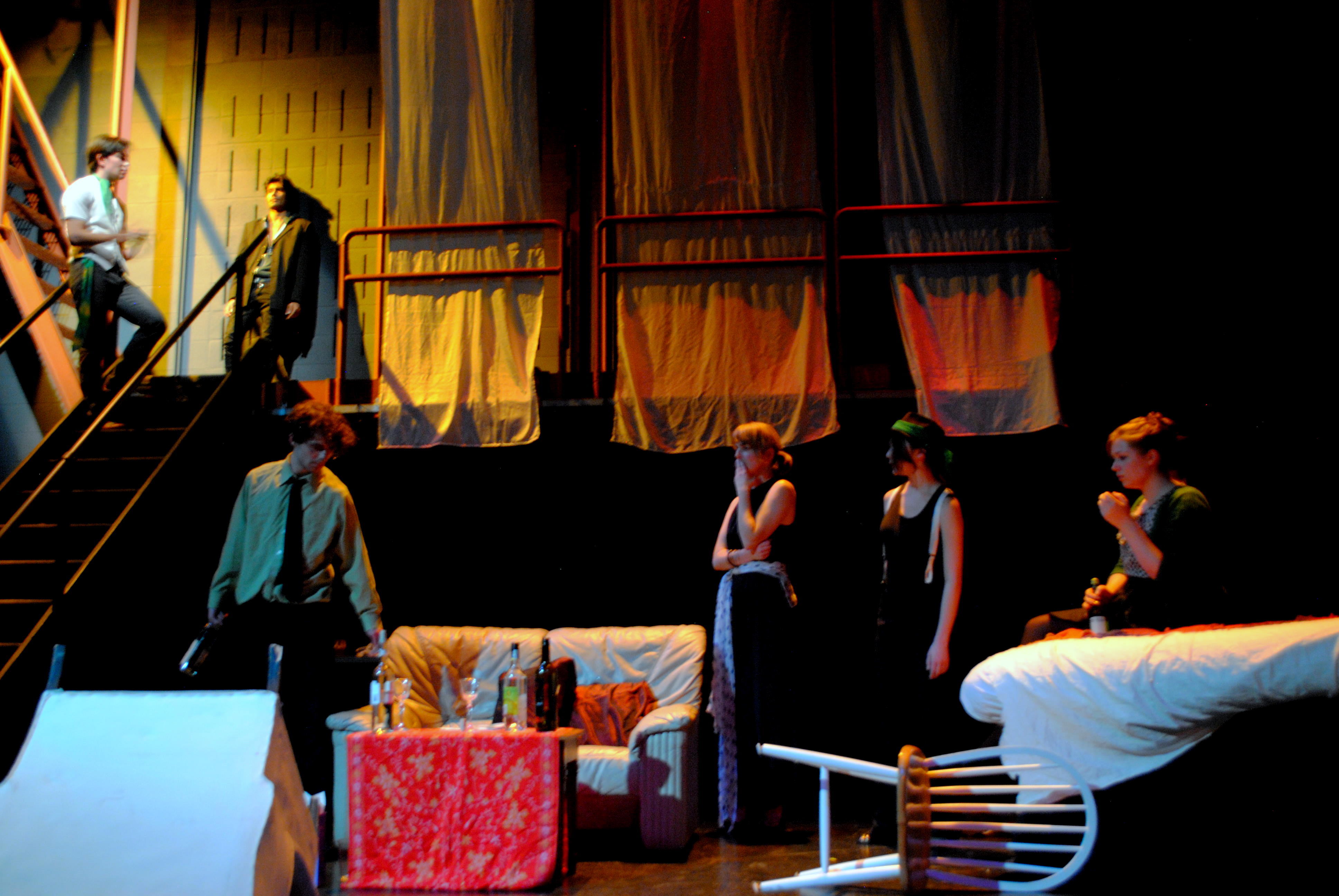
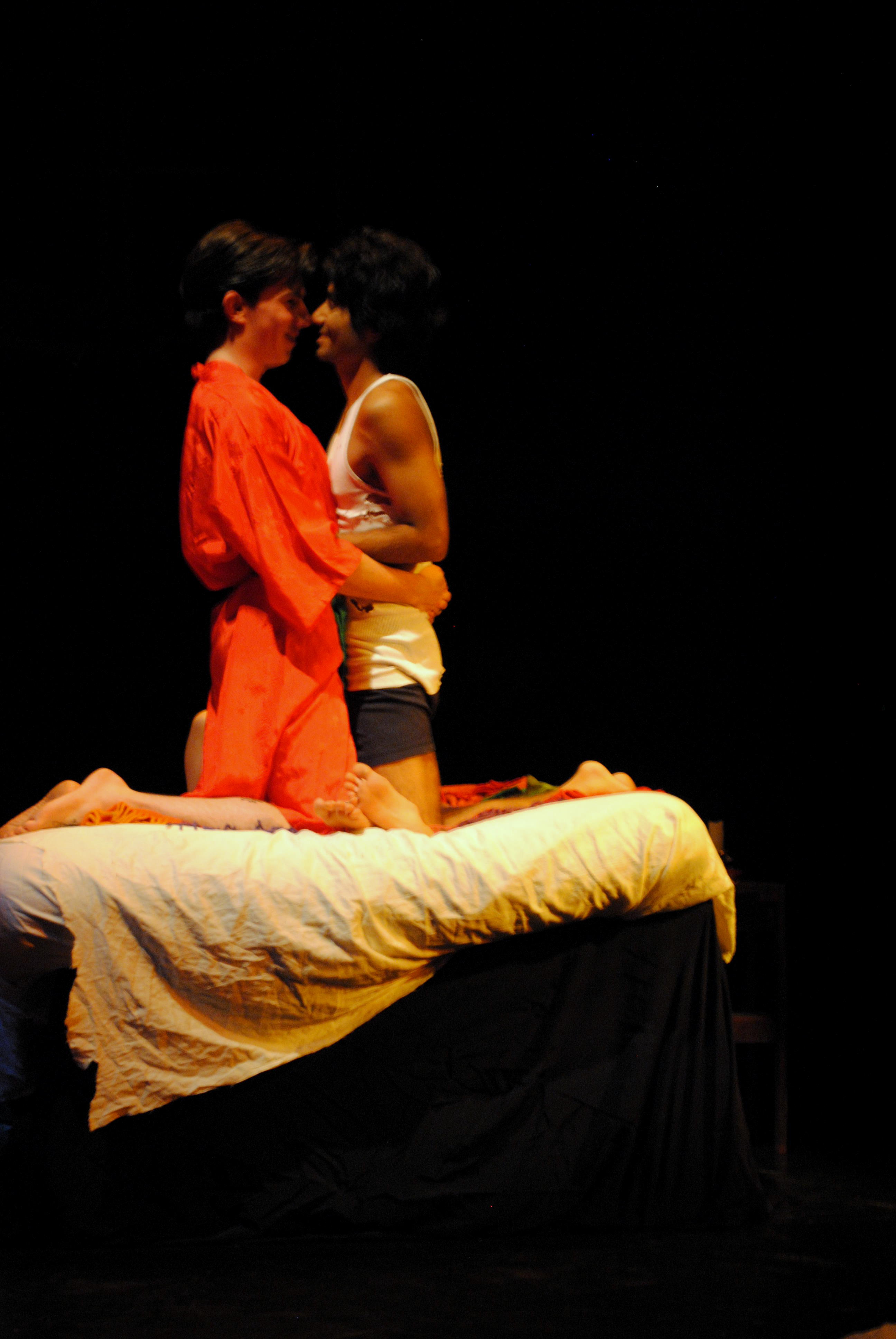
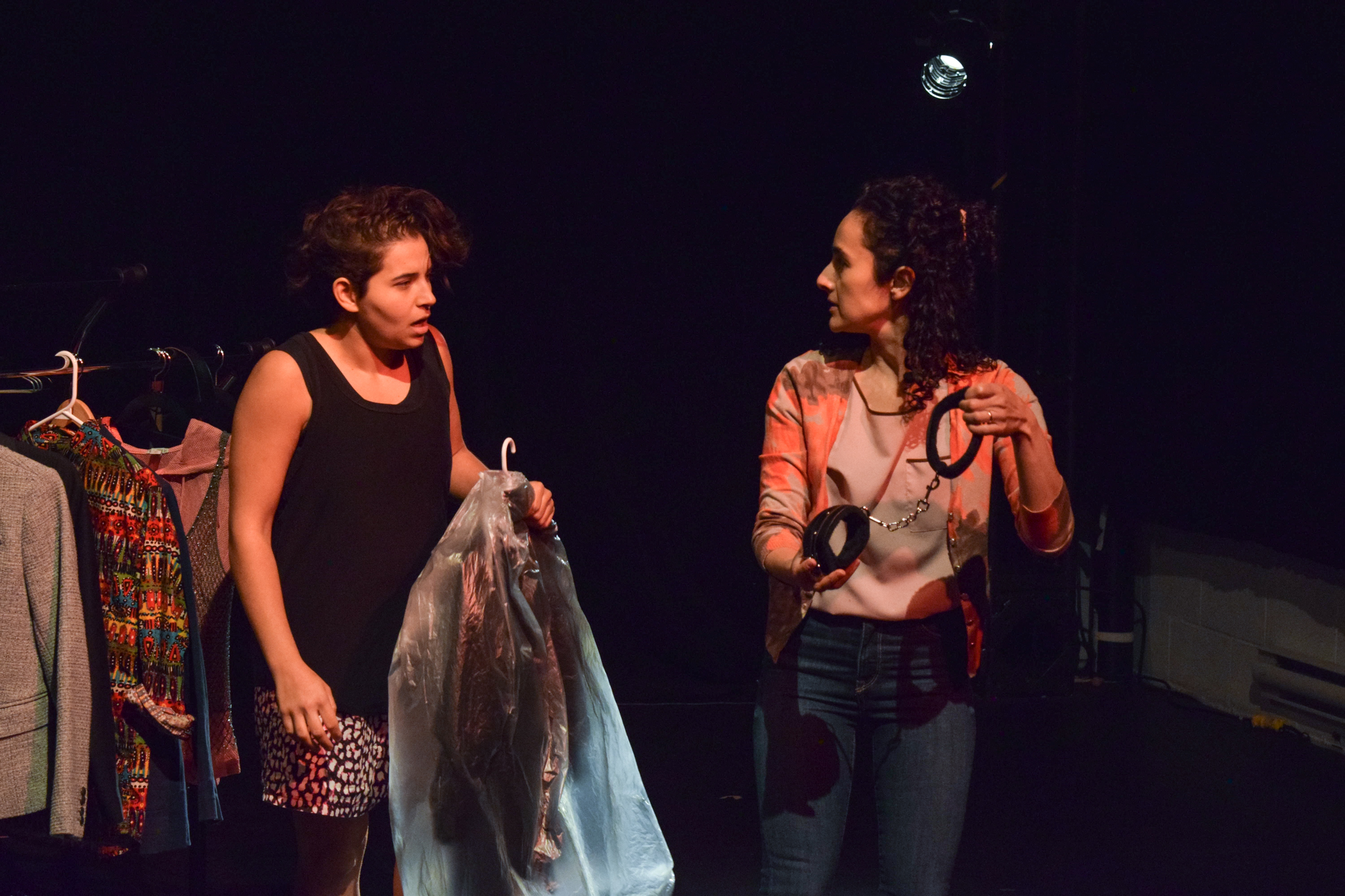
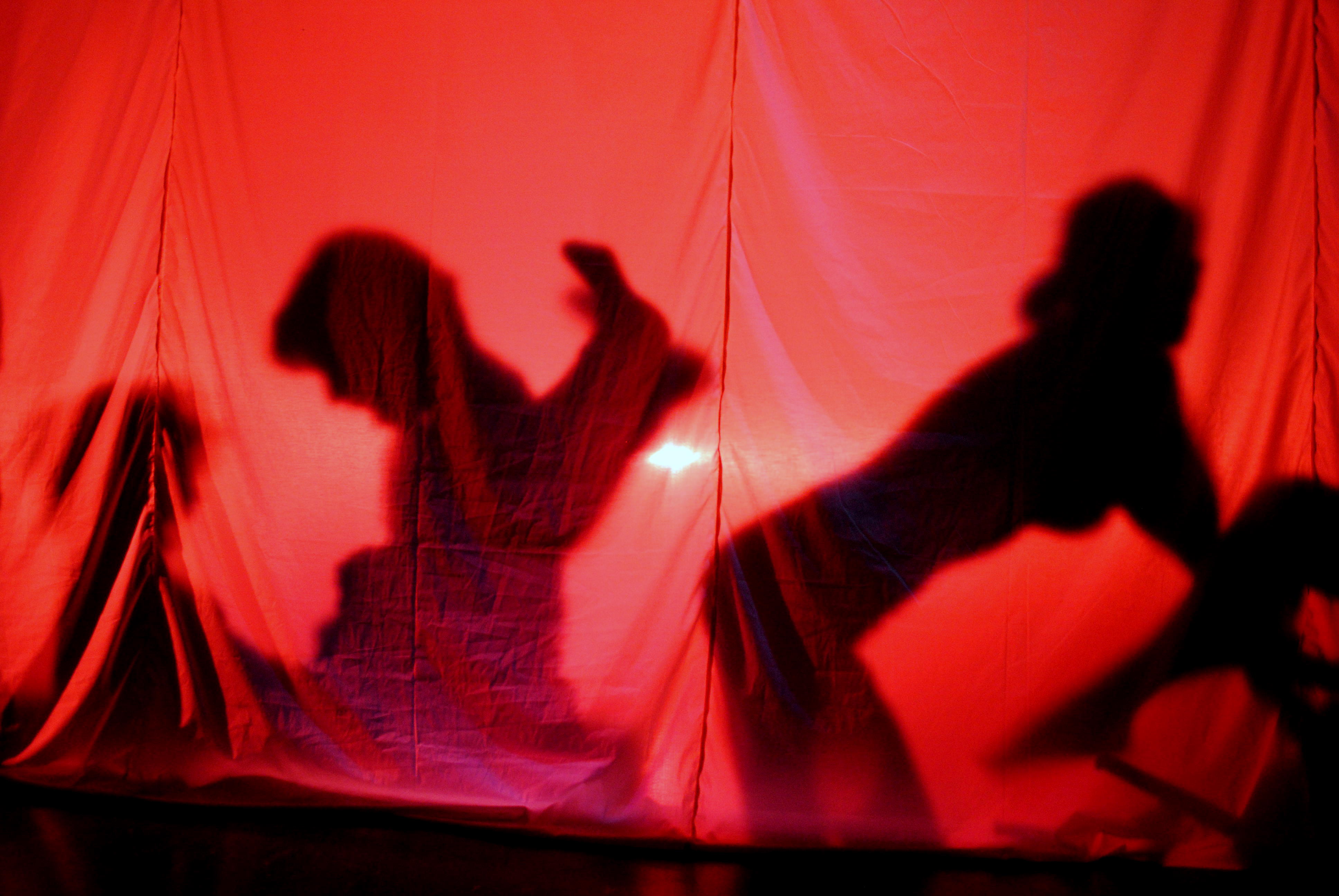
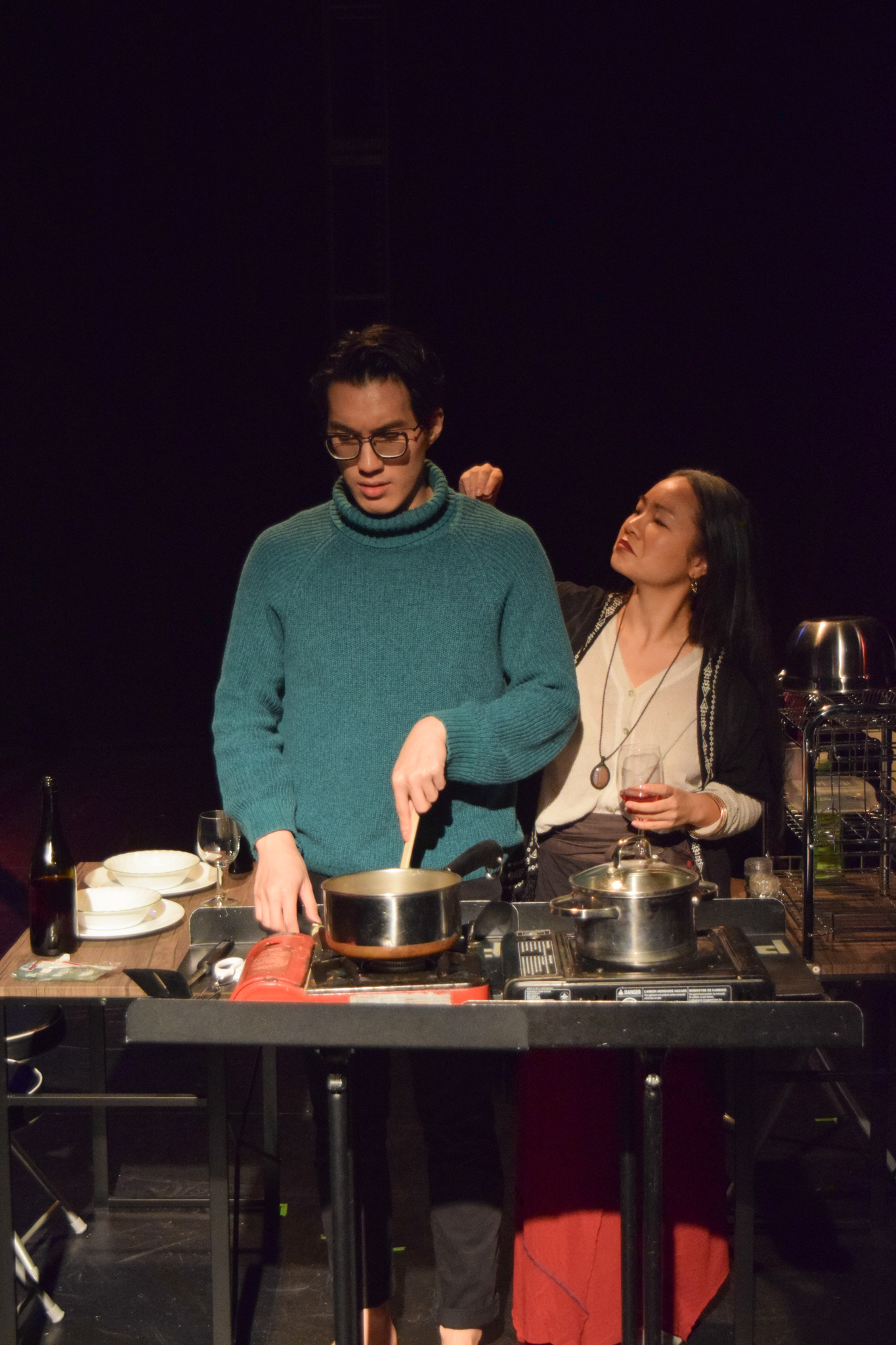
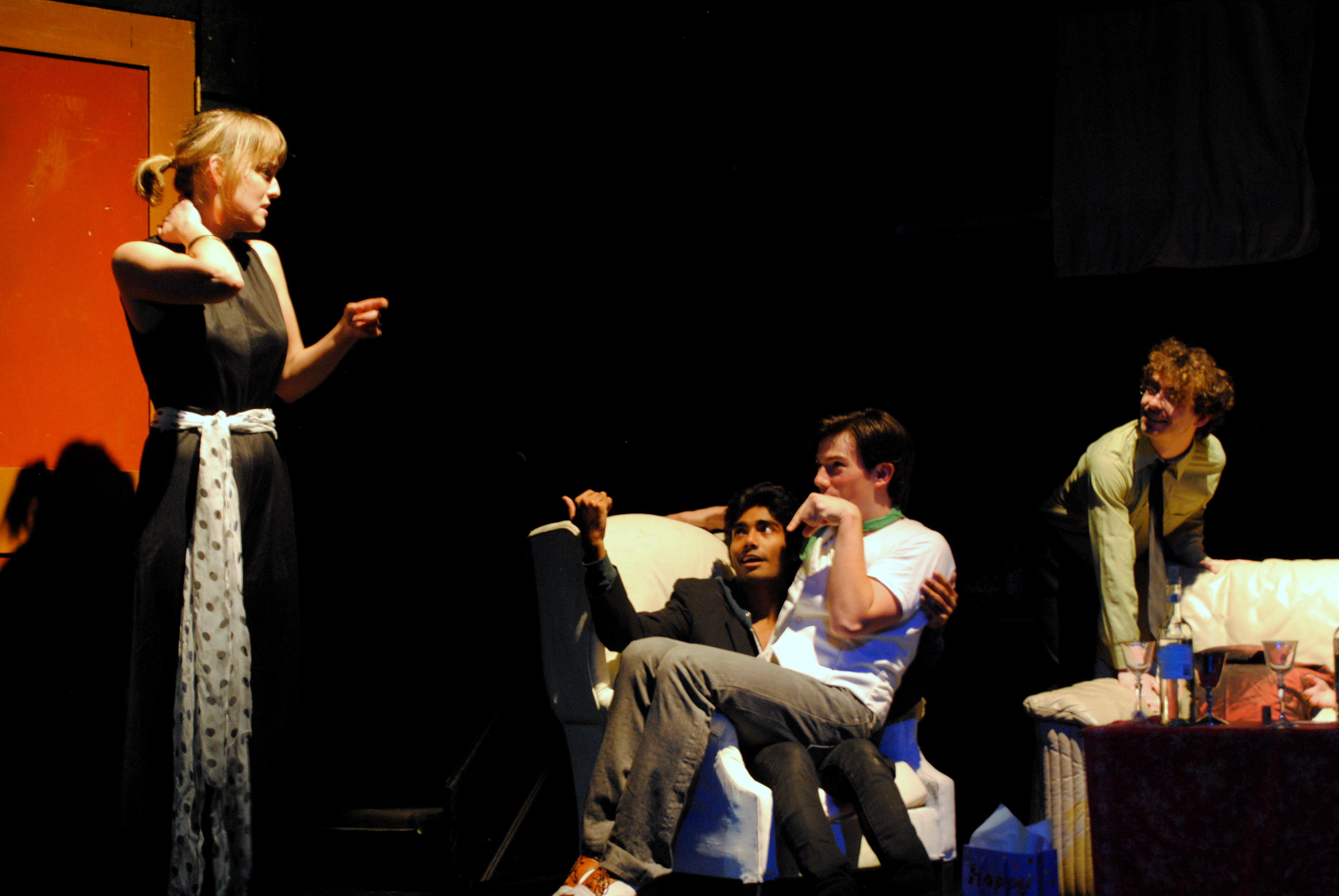
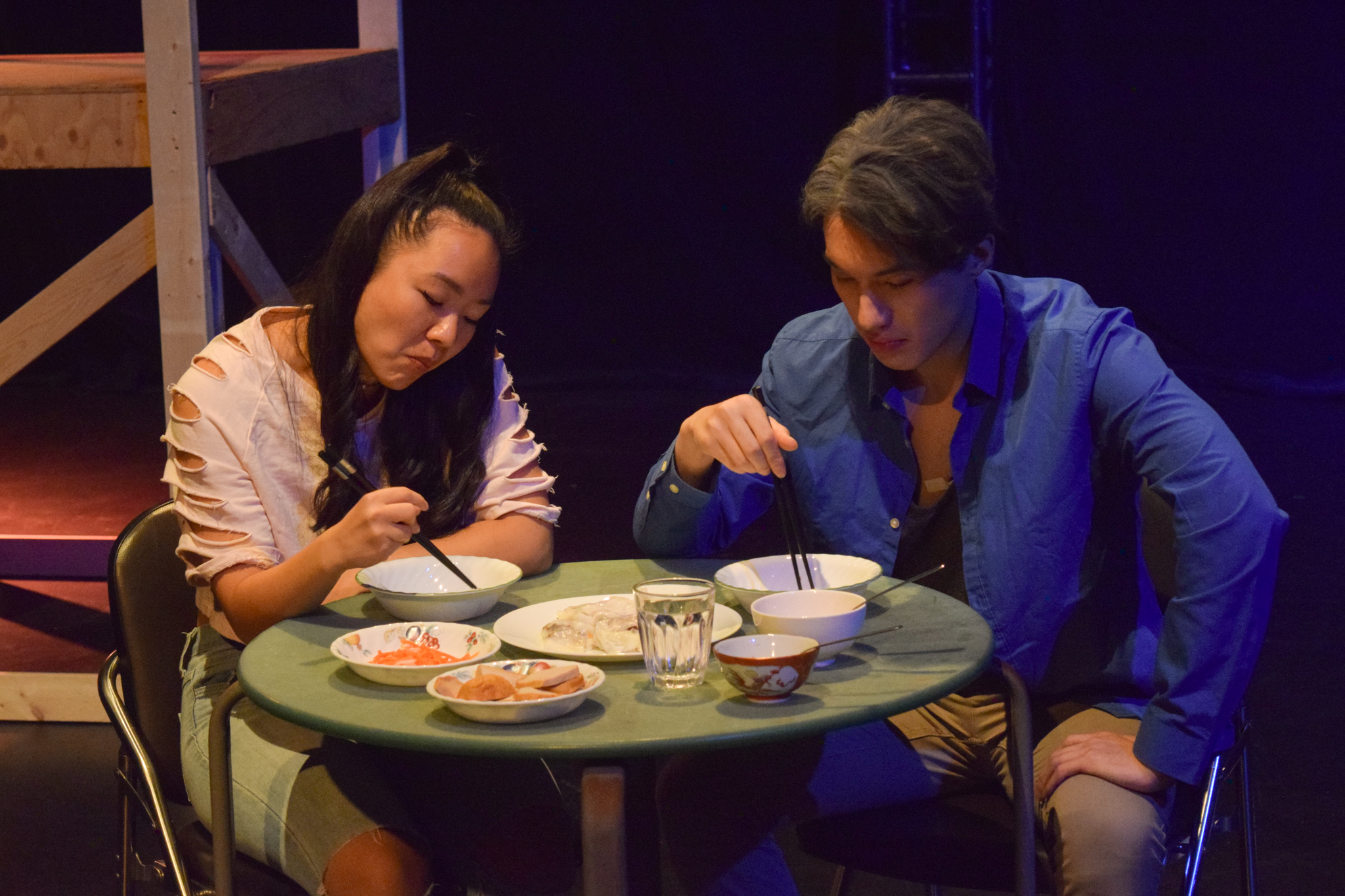
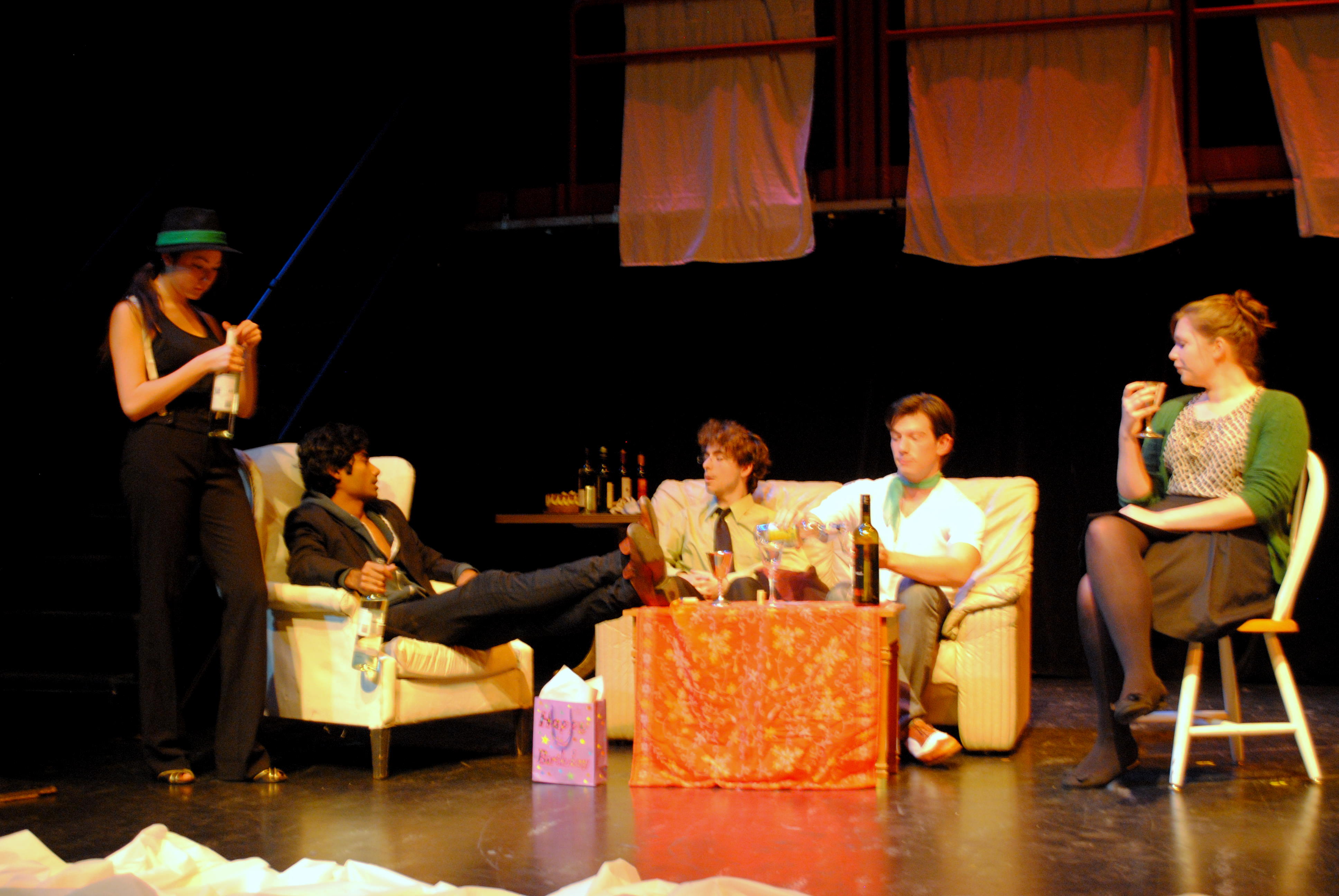
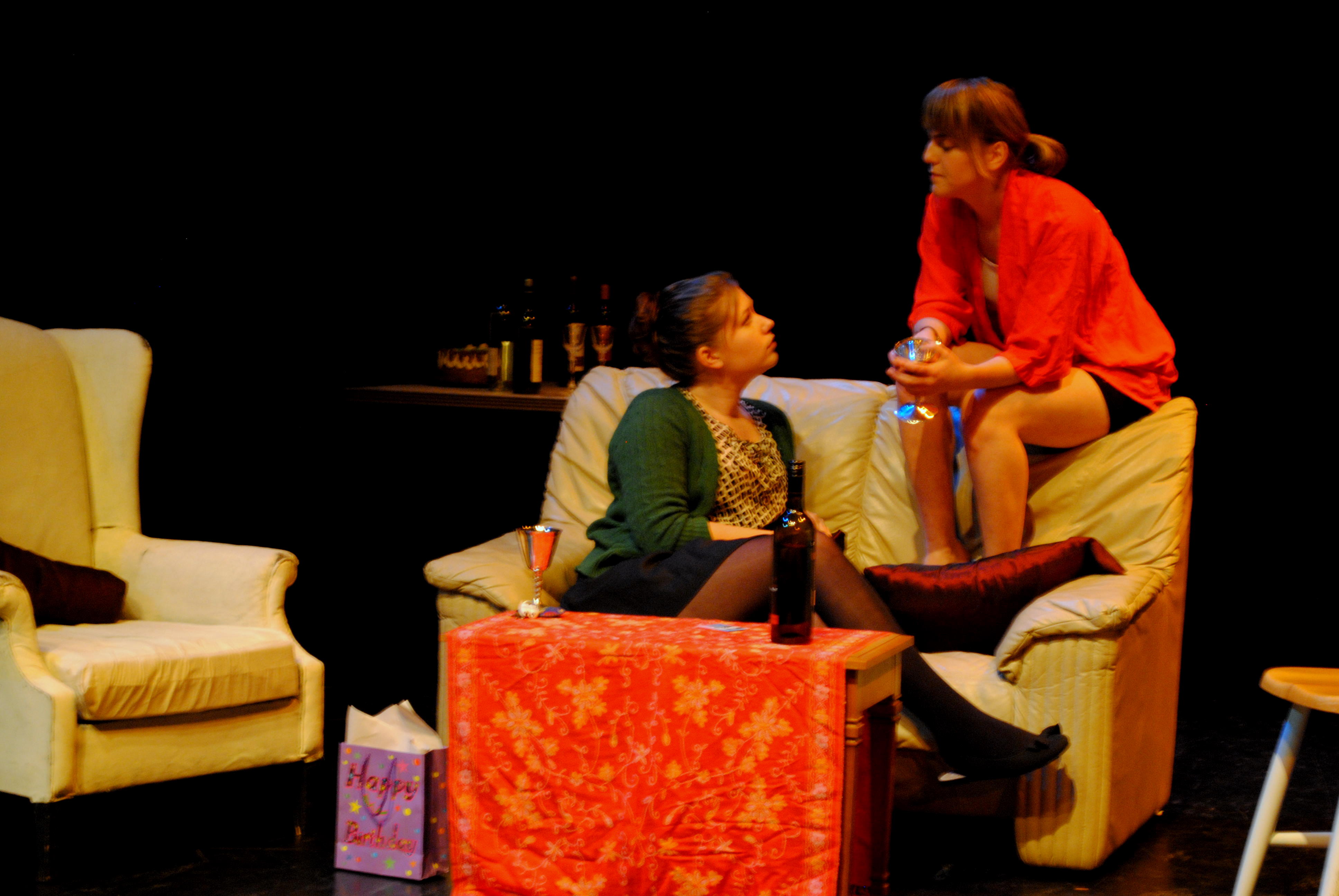
This new interdisciplinary play follows six queer characters, from refugee and immigrant families, navigating a polyamorous relationship.
Opening on the morning of Frankie’s thirtieth birthday in which she learns her best friend is throwing her a surprise party; on the guest list are all of her partners and her partners’ partners.
In exploration of “Attachment Theory,” the lovers are double cast as their partner’s parents to investigate:
Note: In experimentation with double casting there will be cultural and age inconsistencies.
This may be approached with sensitivity through magic realism. In gravitating to partners that resemble parents, the partners begin to look, speak and behave like the parents and vice versa.
-
How does our first relationship with our parental figures bleed into all our future relationships?
-
Can the intrinsic behaviour engrained by parents at an early age be unlearned?
-
Does what we lack in our childhood inform what we crave in our adulthood?
-
The Diasporic Experience: What informs the discrepancy of lens [and ultimately values] between first generation and second generation; specifically in relation to queer identity, gender identity and non-traditional interpersonal relationships?
-
Is it possible to stay true to identity while honouring tradition without repeating generational cycles of harm?

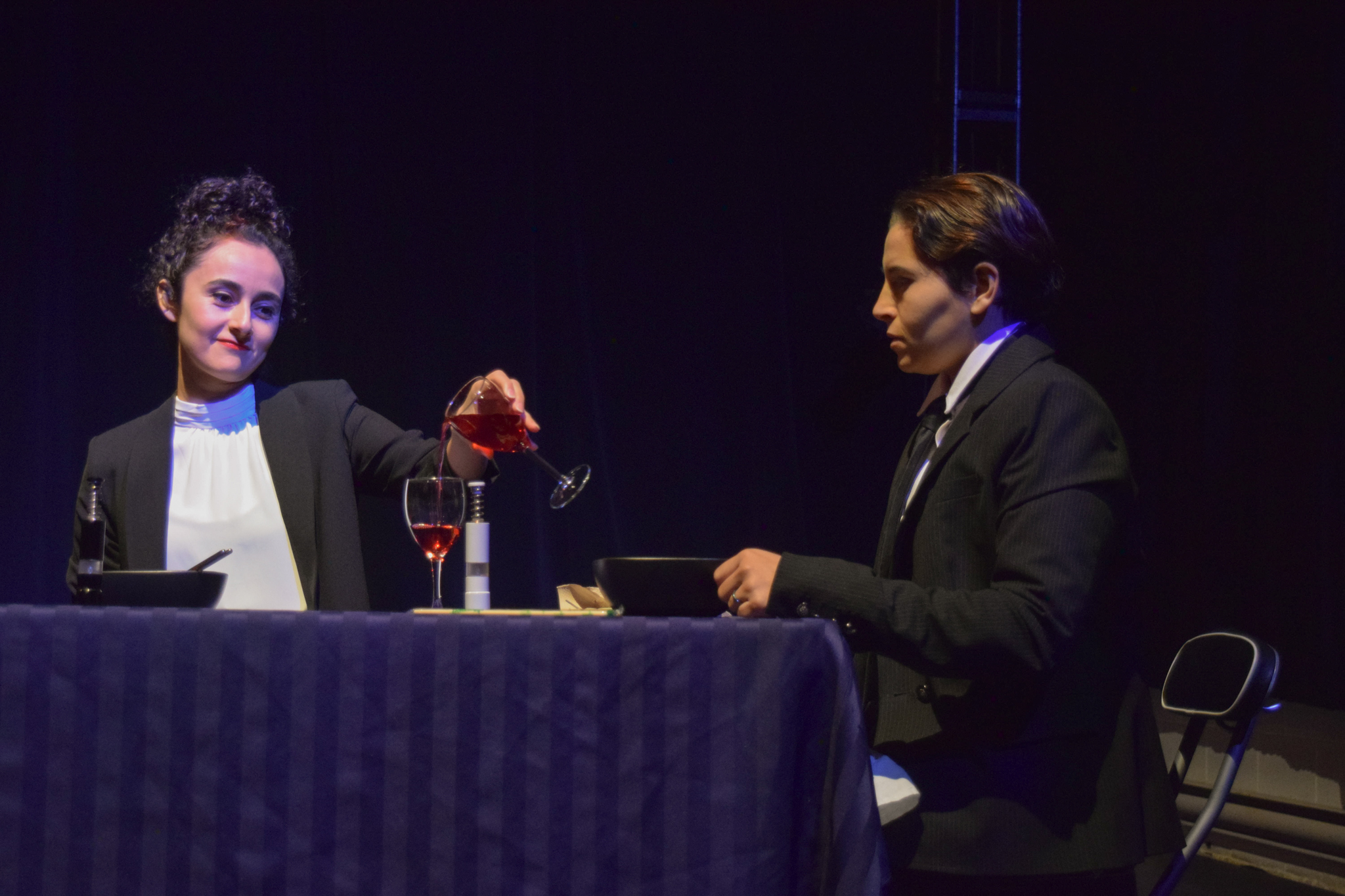
Scene Four and Scene Five aims to interrogate the dramaturgical format of the “classic” dinner scene by toying with simultaneous dialogue in Cantonese, Japanese, Spanish, Italian and English; to investigate the struggles and privileges between class, culture, age and gender. Both scenes involve three simultaneous dinner scenes.
This exploration of storytelling convention hopes to dissect the importance of tonal subtext and linguistic behaviour when cross examining cultural sociology. What can be revealed when one line of text is simultaneously spoken by parental figures in three different languages?
